Ambient OS Showdown at CES 2026: Alexa.com, BMW’s Alexa+, Lenovo Qira, and Razer AVA — What Founders Should Build First
Published January 11, 2026 • Reading time: 8 minutes
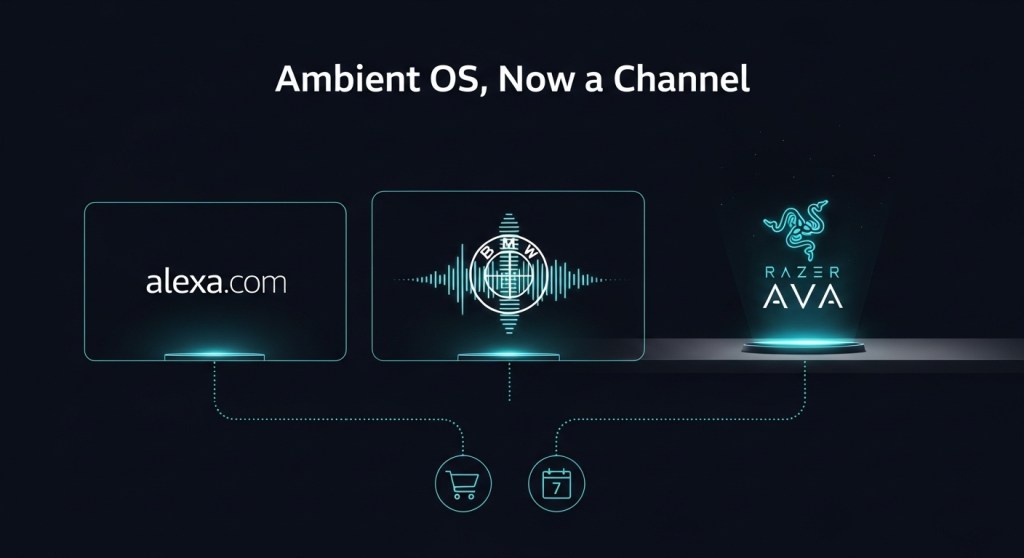
CES 2026 turned “ambient AI” from theory into channels you can ship for this month’s growth targets. Amazon launched Alexa.com for Alexa+ on the web, BMW confirmed its next iX3 will ship with Alexa+ in‑car, Lenovo unveiled its cross‑device ambient intelligence Qira, and Razer pushed desk companions forward with Project AVA. As WIRED’s live blog summarized, AI was everywhere at CES. The question for founders isn’t whether this matters — it’s what to build first.
TL;DR — Your 7‑Day Action Plan
- Structure your data for assistants: product/services schema, availability, pricing, location, booking/purchase intents.
- Ship an assistant‑ready landing with clear intents, FAQs, and structured actions for Alexa.com and web chat.
- Publish a consent‑first policy + logs before traffic hits. See our 48‑hour policy playbook.
- Instrument attribution end‑to‑end for web, in‑car, and desk assistants. Start with UTM + event naming. Use our attribution checklist.
- Automate the top 3 workflows customers actually ask assistants: book, buy, and check status.
- Run a founder‑led test across web (Alexa.com), desk (AVA demo), and car (Alexa+ demo) to verify discovery → conversion.
- Announce availability on your homepage and help center; add “Works with Alexa+ / Qira” badges.
What Changed This Week (and Why It Matters)
Before CES 2026, assistant traffic was fragmented: smart speakers at home and a handful of mobile chat apps. Now we have three distribution surfaces with real user intent:
- Web assistants: Alexa.com puts a mainstream assistant in the browser. Treat it like a new SEO surface with actions, not blue links.
- In‑car assistants: The 2026 BMW iX3 ships with Alexa+. That’s high‑intent local commerce: reservations, service bookings, curbside pickups.
- Desk companions: Razer’s Project AVA and other desk AI devices turn “idle time at the desk” into a proactive assistant channel.
The takeaway: assistants are now ambient OS surfaces. If you expose structured actions and consented data, they can sell, book, and support — even when users aren’t on your site.
Prioritize Like a Founder: A Simple Build Order
1) Web assistant (Alexa.com) — fastest ROI
Start here because it reuses your existing content and checkout while unlocking assistant discovery. Ship:
- Assistant‑ready landing: clear intent verbs (Book, Buy, Check), FAQs, pricing, and policies.
- Structured data: product/service schema, availability windows, location coverage, cancellation/refund.
- Action endpoints: HTTPS POSTs for create‑booking, start‑checkout, check‑status.
- Attribution: UTM source=assistant medium=alexa_web campaign=qa, plus server‑side events.
2) In‑car (Alexa+ in BMW) — local and service businesses
If you run local services (auto, beauty, home, healthcare light), in‑car intent is gold. Implement:
- Geo‑aware slots: nearest location, next available time, parking/curbside notes.
- Drive‑safe flows: fewer choices, read‑back confirmation, SMS link to finalize.
- Offline support: SMS handoff if the car loses signal mid‑flow.
3) Desk companions (Razer AVA) — brand engagement and upsell
Desk assistants are early but promising for education, onboarding, and light commerce. Ship a lightweight demo that can:
- Explain your product with visual prompts and short actions (generate a quote, book a demo).
- Hand off to your site with prefilled carts or booking IDs.
- Respect presence: auto‑mute when meetings start; consent‑first defaults.
The Minimum Data Package Assistants Need
Whether you sell SaaS or services, assistants convert when your data is clean, scoped, and actionable. Include:
- Catalog: name, description, price, variants, stock/seat limits, lead time.
- Policies: refund, reschedule, warranty — each with plain‑English summaries.
- Availability: service areas, opening hours, blackout dates, SLAs.
- Intents: buy, book, upgrade, cancel, return, status — with required fields per intent.
- Contact + handoff: SMS, email, live chat, and escalation path.
If you’re on Shopify/WooCommerce, use our step‑by‑step frameworks: Assistant‑Ready Product Pages and the 48‑hour store checklist here.
Attribution, Analytics, and Guardrails
Don’t ship blind. Attribute every assistant session end‑to‑end:
- Session tags: source=assistant; medium in {alexa_web, alexa_car, desk_companion}; device_id if provided.
- Events: assistant_view → intent_detected → action_started → action_succeeded/failed.
- Server‑side logging: sign and timestamp to audit disputes and optimize flows.
Privacy is non‑negotiable. Publish data purposes, retention, and deletion pathways before you flip the switch. Start with our consent‑first checklist.
Real‑World Examples You Can Copy
- Local services: “Book windshield repair today at 4:30 pm at 94107.” Assistant returns nearest slot, shares curbside instructions, and texts a pay link.
- SaaS: “Upgrade to Pro and invite 5 teammates.” Assistant hits your billing API and returns a confirmation code in the chat.
- E‑commerce: “Buy the 1.2L pour‑over kettle under $100.” Assistant filters variants, confirms color, and drops a checkout link with UTM assistant tags.
What About Lenovo Qira and Desk AI?
Qira’s promise is cross‑device context — a single personal AI that flows between your laptop, phone, and tablet. Treat it like an intent router: if your actions are well‑described, Qira can invoke the right one at the right moment. For desk companions like Razer AVA, invest in onboarding content, upgrades, and status checks rather than full checkout. Use assistants to start a flow and finish on the web with attribution intact.
Founder Checklist (Print This)
- One page that clearly lists your intents and required fields.
- Public policy page with consent, retention, and deletion.
- Action endpoints with idempotency keys and retries.
- Assistant UTM conventions and server‑side events.
- Fallback SMS/email handoff and human escalation.
Need Help Shipping This Week?
HireNinja can spin up and instrument these flows fast. Whether you’re a Shopify brand, a SaaS startup, or a services marketplace, our AI agents wire your catalog, policies, intents, and attribution — and keep your logs compliant. Learn more at hireninja.com or just click “Get started.”
Useful resources to get moving now:


Leave a Reply