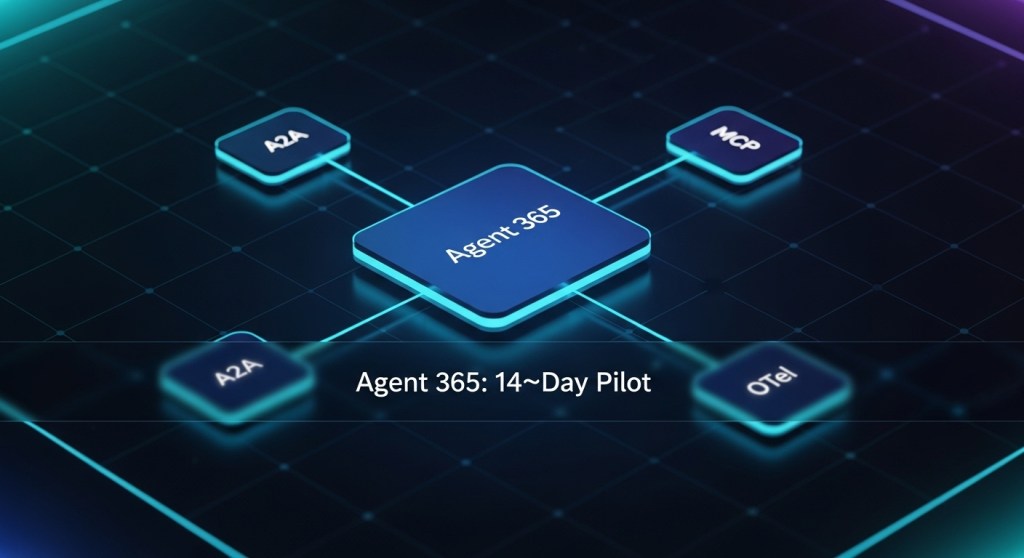
• Pilot Microsoft Agent 365 in 14 Days: A Practical Rollout With A2A, ACP, and OpenTelemetry
    • Scan competitors for fresh signals (Agent 365, A2A, ACP, Visa/Stripe moves).
    • Pick an outcome: ship a secure agent registry + observability in 14 days.
    • Design for interop (A2A/MCP) and payments readiness (ACP/SPT).
    • Instrument with OpenTelemetry GenAI spans/metrics from day one.
    • Prove ROI with one production‑adjacent use case and a rollback plan.

    Why this matters now

    Microsoft announced Agent 365—a control plane to inventory, secure, and govern AI agents across your org—now available via Frontier early access. Coverage from Wired and Microsoft’s own blogs confirm the push toward an enterprise agent registry, access control, and telemetry built into Microsoft 365 and Entra. In parallel, Google’s A2A protocol is gaining traction (Microsoft is adding support), and Stripe’s Agentic Commerce Protocol (ACP) adds a standardized way for agents to pay merchants using a scoped SharedPaymentToken (SPT). Visa is piloting agent‑led commerce as well. Together, these moves mean agent fleets are moving from proofs‑of‑concept to audited production workflows in 2026.

    What you’ll have in 14 days

    • Agent registry + identity: A single inventory in Agent 365 with Entra Agent ID for at least 3 priority agents (internal or third‑party).
    • Guardrails: Least‑privilege scopes, approval flows, and quarantine for shadow agents.
    • Interop: One A2A handshake to a non‑Microsoft agent (or MCP tool server) to prove cross‑vendor workflows.
    • Payments readiness: ACP/SPT sandbox flow documented and reviewed with compliance (no live cards).
    • Observability: OpenTelemetry GenAI spans/metrics tracing your pilot end‑to‑end.

    Prereqs (1–2 hours)

    • Request Frontier access for Agent 365 (Microsoft early access) and enable Agent 365 in your tenant.
    • Nominate a pilot team: IT admin, security, a product owner, and one developer.
    • Pick one production‑adjacent workflow (e.g., weekly pricing updates, catalog enrichment, or level‑1 support triage).

    The 14‑day plan

    Days 1–3: Stand up the control plane

    1. Inventory: In Microsoft 365 Admin Center, open Agents → All Agents. Register known internal agents (Copilot Studio or third‑party) and issue Entra Agent IDs. Add tags for owner, purpose, data access, and environments.
    2. Guardrails: Define per‑agent policies: allowed resources, data boundaries, execution windows, and human‑in‑the‑loop checkpoints. Turn on quarantine for unregistered/shadow agents.
    3. Telemetry: Configure OpenTelemetry collectors; emit GenAI semantic spans and metrics from your selected agent framework (e.g., OpenAI client spans and agent spans).

    Days 4–6: Prove interop

    1. A2A handshake: Choose a partner agent or internal service that exposes an A2A endpoint and Agent Card. Perform a simple task lifecycle across vendors (e.g., request a draft response from an external research agent and route it back to Teams). See Google’s A2A overview and Microsoft’s alignment news.
    2. MCP/tool access: If your agent needs internal tools (e.g., product DB, email), expose them via MCP or approved connectors, and scope permissions to the pilot dataset only.
    3. Runlayer‑style checks: Add prompt‑injection and egress rules learned from recent agent security research and products.

    Days 7–10: Payments readiness (optional but recommended)

    1. ACP sandbox: Implement a basic ACP interface (REST or MCP server) per Stripe’s spec (private preview). Do not accept real payments.
    2. Create SPT: In a test agent, issue a SharedPaymentToken with tight usage limits (currency, max amount, TTL). Use Stripe’s test helpers to simulate a PaymentIntent with the SPT and observe related webhooks.
    3. Compliance dry‑run: Document AP/PCI touchpoints, revocation paths, and event logging. Reference Visa’s ongoing agentic commerce pilots to align expectations with finance and risk teams.

    Days 11–14: Reliability, SLOs, and cutover

    1. Evals & SLOs: Define pilot SLOs (success rate, latency, re‑ask rate, human handoff rate) and add runbooks/alerts. Use OTel spans to attribute lapses to model errors vs. tool failures.
    2. Game‑day: Simulate failure modes Microsoft researchers have highlighted (marketplace/reputation manipulation, adversarial data). Verify rollback and quarantine paths.
    3. Stakeholder demo: Show the live registry, guardrails, A2A handoff, ACP sandbox trace, and a dashboard with before/after metrics.

    Architecture at a glance

    Control plane: Agent 365 (registry, access control, visualization, security). Interop: A2A for agent‑to‑agent tasks; MCP or connectors for tool access. Payments: ACP/SPT sandbox only. Observability: OpenTelemetry GenAI spans/metrics. Risk: Quarantine, least privilege, HIL gates, and revocation hooks.

    Metrics that matter (and how to instrument)

    • gen_ai.client.token.usage (cost/efficiency).
    • Agent task success (% tasks completed without human rescue).
    • Time‑to‑resolve (minutes) and handoff rate (%).
    • Policy violations (blocked actions, data egress events).
    • A2A success (cross‑agent task completion rate).

    Emit OTel spans for each request/step; tag with gen_ai.provider.name, gen_ai.operation.name, model, tool, and gen_ai.data_source.id. Add business attributes (order_id, ticket_id) for ROI attribution.

    Common pitfalls (and how to avoid them)

    • Shadow agents: Turn on quarantine and require Entra Agent ID for discovery.
    • Over‑permissioned tools: Start with read‑only; add write scopes post‑evaluation.
    • Inter‑agent trust: Prefer signed Agent Cards and explicit capability discovery; log all remote invocations.
    • Payment sprawl: Use SPTs with tight limits; never share raw credentials across agents.
    • Reputation games: Don’t rely on star ratings alone—use telemetry, evals, and allow‑lists.

    Realistic next steps

    After the pilot, expand to a second workflow and bring ACP out of sandbox only after a formal risk review. Layer in cost controls and architectural patterns from our prior posts below.

    Related guides on HireNinja

    Sources and further reading

    • Microsoft Agent 365 announcement and docs (early access)
    • A2A protocol overview and Microsoft alignment (Google Developers, TechCrunch)
    • ACP/SPT docs and newsroom updates (Stripe; Salesforce collab)
    • Visa intelligent commerce pilots (Reuters/AP)
    • OpenTelemetry GenAI semantic conventions
    • Agent security research and real‑world failure modes

    Call to action: Want a done‑with‑you Agent 365 pilot? Book a 30‑minute scoping call and we’ll help you ship this 14‑day plan safely—governed, observable, and ROI‑focused.
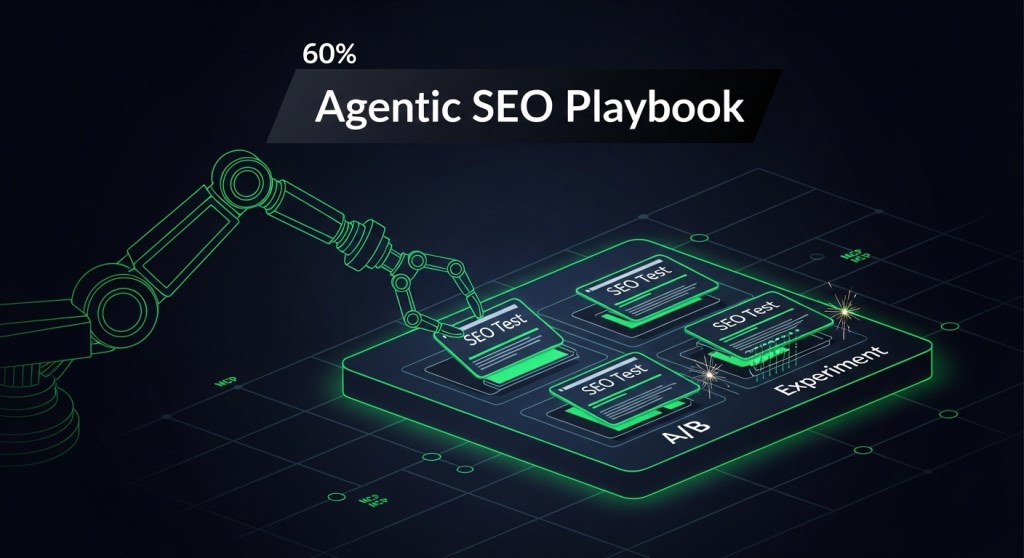
  • Agentic SEO in 2026: Build an AI Agent to Run Weekly Experiments (MCP + OpenTelemetry)

    Checklist we’ll follow

    • Confirm what’s trending in enterprise agents and where SEO fits.
    • Design an agentic SEO architecture (MCP tools + observability).
    • Ship a 30‑day rollout plan with weekly experiments.
    • Instrument GenAI metrics with OpenTelemetry for ROI.
    • Add governance and Google Search compliance guardrails.
    • Close with dashboards, sample KPIs, and next steps.

    Why agentic SEO, and why now?

    Enterprise adoption of AI agents is accelerating. OpenAI unveiled AgentKit to speed up building and deploying agents; Workday launched an agent system of record; and Microsoft aligned with Google’s A2A standard to link agents across vendors. Notion even shipped its first agent for knowledge work. Together, these signal that 2026 will be the year marketing teams stop treating agents as demos and start using them for repeatable, measurable growth.

    What is “agentic SEO” exactly?

    Agentic SEO is the practice of using autonomous AI agents—under human guardrails—to run ongoing SEO workflows: research, content briefs, internal linking, structured data checks, and post‑publish evaluations. Think of it as programmatic SEO with governance and observability. Crucially, it complements (not replaces) your strategy and editorial judgment.

    Architecture: the minimal viable agentic SEO stack

    1. Orchestrator: Your agent runtime (e.g., an AgentKit‑based app) that executes weekly SEO jobs and enforces policies.
    2. Connectors via MCP: Use the Model Context Protocol (MCP) to safely expose tools:
      • CMS read/write (posts, categories, authors, slugs).
      • Analytics/Search Console exports.
      • Keyword & SERP APIs.
      • Git/PR tooling for schema, sitemap, robots, and redirects.
    3. Observability: Instrument the agent with OpenTelemetry GenAI semantic conventions to capture request latency, token usage, error rates, and evaluation events. This feeds cost, quality, and impact dashboards.
    4. Governance: Map controls to NIST AI RMF and the EU AI Act timelines (disclosure, risk logs, and data governance). See our internal guides linked below.

    Guardrails so you stay on Google’s good side

    Google doesn’t ban AI content; it rewards helpful, people‑first content. That means:

    • Don’t generate scaled pages just to rank. Avoid “scaled content abuse.”
    • Disclose how automation was used when helpful (Who/How/Why).
    • Maintain quality signals: accurate titles, meta descriptions, structured data, alt text, and internal links.

    Useful references: Google’s AI‑content guidance, spam policies, and March 2024 updates on scaled abuse.

    The 30‑day rollout plan

    Week 1 — Define the experiment loop

    • North Star: Organic qualified traffic lift to key pages in 8–12 weeks.
    • Scope: 100–300 URLs (product/category/feature pages).
    • Jobs to automate: opportunity discovery, brief generation, schema checks, internal linking passes, and post‑publish evals.
    • MCP tools: CMS (read/write), Search Console export, analytics, sitemap, schema validator, link graph.
    • Policies: max pages edited per day, PR reviewer required, and rollback on regression.

    Week 2 — Wire the agent and telemetry

    • Connect MCP servers for CMS, Search Console, and Git.
    • Emit OpenTelemetry GenAI metrics: token.usage, request.duration, error counts, and evaluation scores per change set.
    • Stand up dashboards for Cost per net new indexed page, Cost per +1 position on tracked keywords, and Human review rate.

    Week 3 — Ship two controlled experiments

    1. Internal linking sweep: Agent proposes 3–5 new internal links per target URL from relevant posts; human approves PRs. Track crawl depth and average time‑to‑index.
    2. Schema fix-it sprint: Agent validates/patches product or article schema. Track rich result eligibility and CTR delta.

    Week 4 — Evaluate and scale (or roll back)

    • Run automated evals nightly; alert on regressions beyond thresholds.
    • If both experiments hit SLOs, expand the cohort; if not, roll back PRs and refine prompts/tools.

    Dashboards and KPIs that matter

    • Quality: eval score per change set, editorial rework rate, and validation pass rate (schema, links, titles).
    • Impact: net new indexed pages, impressions, CTR, positions gained on target terms.
    • Efficiency: tokens per approved change; agent time‑to‑PR; cost per successful PR.
    • Reliability: incident count, MTTR, and rollback frequency (tie into your SLOs).

    A simple weekly runbook

    1. Mon: Agent proposes backlog (briefs, internal links, schema fixes) with confidence scores and expected impact.
    2. Tue: Human review + merge qualified PRs (editorial veto trumps automation).
    3. Wed–Thu: Crawl/index checks; agent reroutes tasks if pages stall in discovery.
    4. Fri: Eval and budget review; decide expand/hold/rollback.

    Real‑world pattern you can copy this week

    Goal: Lift CTR by 0.5–1.5 pp on 120 product URLs in 14 days.

    1. Agent mines Search Console for queries with avg position 3–8 and low CTR vs. SERP average.
    2. Generates and A/B tests title/meta alternatives (guardrails: brand first, no clickbait, 65/160 char caps).
    3. Schedules internal link insertions from 10 evergreen posts to 40 “money pages.”
    4. Pushes schema fixes where errors block rich results.
    5. Monitors metrics and rolls back any cohort that underperforms baseline for 3 consecutive days.

    Keep it compliant and auditable

    • Document the Who/How/Why for AI‑assisted edits in PR descriptions (aligns with Google guidance).
    • Risk registry: log prompts, datasets, and evaluation outcomes (map to NIST AI RMF functions).
    • EU AI Act timeline: note upcoming obligations if you operate in the EU and plan disclosures and DPIAs proactively.

    Go deeper with these internal playbooks

    FAQs

    Will AI‑generated pages get us penalized? No—if they’re useful and not produced to manipulate rankings at scale. Follow Google’s guidance and keep humans in the loop.

    How do we attribute ROI? Track per‑change‑set evals, ranked positions, and net‑new indexed pages; tie costs and token usage to those wins via OpenTelemetry metrics.

    What about reliability? Treat your SEO agent like production software: SLOs, runbooks, rollbacks, and incident drills.


    Call to action: Want this shipped in 30 days? Talk to HireNinja. We’ll provision an agentic SEO workflow with MCP connectors, OpenTelemetry dashboards, and governance built‑in—so you can run weekly experiments without breaking SEO or the budget.

  • Agent Attribution for 2026: How to Track Revenue From AI Agents (AP2, Stripe ACP, and x402)

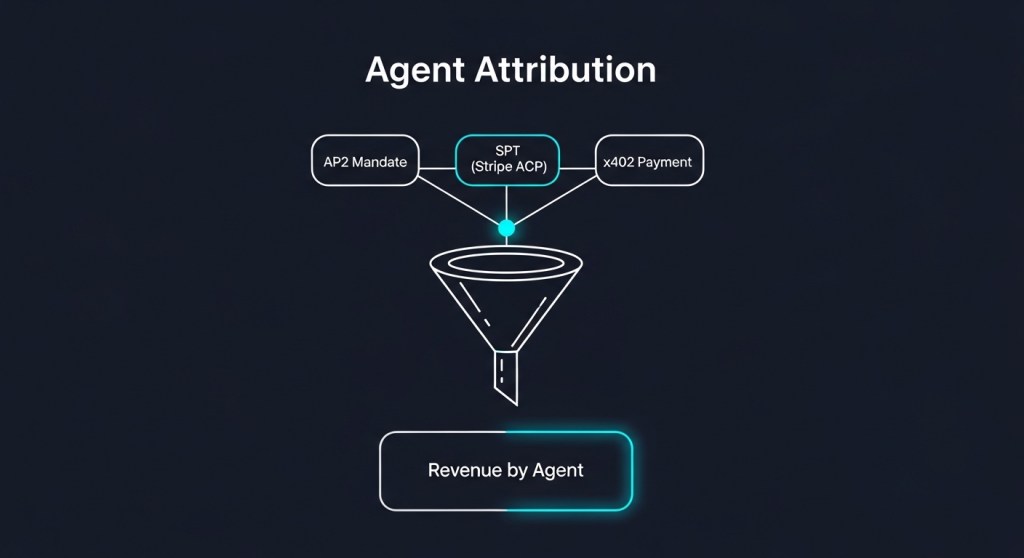
    Agent Attribution for 2026: How to Track Revenue From AI Agents (AP2, Stripe ACP, and x402)

    Who this is for: founders, e‑commerce leaders, and product/ops teams preparing for agent‑led checkout and wondering, “How do we actually measure revenue driven by AI agents?”

    What we’ll do in this guide

    • Explain why agent attribution matters now.
    • Map the new building blocks: AP2 mandates, Stripe ACP’s SharedPaymentToken (SPT), Visa’s TAP, and Coinbase x402.
    • Design a cross‑protocol attribution model (IDs, headers, events).
    • Implement tracking with OpenTelemetry + server‑side events.
    • Ship dashboards (ROAS by agent, LTV by mandate, blended CPA).

    Why attribution for agents matters right now

    Agentic shopping is moving from demo to deployment. Google began rolling out agentic checkout in U.S. Search (AI Mode) with merchants like Wayfair and Chewy on November 13, 2025—so an AI can track prices and, with your confirmation, purchase on your behalf via Google Pay. That’s a new referral + checkout path you must measure. citeturn7search1turn7search2

    At the protocol layer, Google’s AP2 (Agent Payments Protocol) formalizes “mandates”—cryptographically signed, verifiable intents that authorize agent‑led purchases; Stripe’s ACP (Agentic Commerce Protocol) exposes a standard checkout surface and supports secure payment credential handoff via SharedPaymentToken (SPT); Visa’s Trusted Agent Protocol (TAP) focuses on agent identity and safe retail bot traffic; and Coinbase’s x402 revives HTTP 402 to enable agent micropayments, which spiked in October 2025. All four create measurable touchpoints you can tie back to revenue. citeturn3search4turn2search5turn2search4turn1search2

    Analysts expect agentic commerce to materially impact retail traffic and conversion over the next 12–18 months—retail AI referrals are surging and enterprise interest is high—so putting attribution in first unlocks budget, prioritization, and guardrails. citeturn7search0

    The new building blocks you’ll use

    1. AP2 Mandates (Cart + Payment). Attach a unique mandate_id and agent identity to each transaction; the cart mandate is signed by the user, and the payment mandate informs networks/issuers that an agentic transaction is in flight. Capture both for attribution. citeturn3search4
    2. Stripe ACP + SPT. ACP standardizes how agents initiate and complete checkout. When you receive an SPT, bind it to a session and attribute the order to its agent_id/application_id. citeturn2search5
    3. Visa TAP. Use agent cryptographic signatures and metadata to distinguish legitimate shopping agents from bad bots and to enrich attribution with agent_assurance signals. citeturn2search4
    4. Coinbase x402. If you price content/APIs or accept stablecoin payments, log each 402 exchange (facilitator, payment hash, amount) and map to your agent session. October’s volume spike underscores why this telemetry matters. citeturn1search2
    5. OpenTelemetry (OTel) GenAI. Adopt the GenAI semantic conventions for agent spans, model calls, and metrics to connect pre‑purchase conversations with downstream orders. citeturn4search0turn4search5turn4search6

    A simple cross‑protocol attribution model

    Think of agent attribution as four linked IDs carried from browse → negotiate → pay → fulfill:

    1. agent_id — from AP2 (A2A/MCP context), ACP app ID, Visa TAP identity, or x402 client; store it as the primary attribution key. citeturn3search0turn5search0
    2. mandate_id — AP2 cart/payment mandate IDs. citeturn3search4
    3. payment_token — Stripe’s SPT or a network token reference (TAP). citeturn2search5turn2search4
    4. settlement_ref — PSP order ID, Google Pay txn, or x402 payment hash. citeturn1search2

    Augment with standard marketing fields (utm_source=agent, utm_medium=[gemini|chatgpt|copilot|claude|perplexity], utm_campaign=[flow]) and feature flags (is_agent=true).

    Implementation: 7 steps in 48–72 hours

    1. Instrument conversation and actions with OpenTelemetry GenAI semantic conventions. Emit spans for agent.create, planning, tool calls, and checkout handoff. Include agent_id, user/session, and target merchant. citeturn4search0turn4search5
    2. Capture AP2 mandates at negotiation and purchase. On cart creation, persist mandate_id + cryptographic proof in your order context. On payment, link the payment mandate to PSP transaction. citeturn3search4
    3. Integrate Stripe ACP in parallel checkout. When ACP returns an SPT, bind it to the order and persist agent_id/application_id for reporting. citeturn2search5
    4. Enrich with Visa TAP data
    • Verify agent intent and populate agent_assurance or similar trust fields to segment performance by assurance level.
    • Feed TAP agent identity into your fraud + attribution models so “good agents” aren’t penalized as bots. citeturn2search4
    1. Log x402 payments if you monetize content/APIs or accept stablecoins. Store facilitator, transaction hash, and service name; roll up micropayments to session/order where relevant. citeturn1search2
    2. Send server‑side purchase events (GA4, Meta CAPI, Segment) including agent_id, mandate_id, and payment references—avoid relying on front‑end scripts that agents may bypass.
    3. Build dashboards by joining OTel traces + commerce DB:
      • Revenue, orders, AOV by agent_id.
      • ROAS by agent_source (Gemini, ChatGPT, Copilot, Claude, Perplexity).
      • Refund/chargeback rate by agent_assurance (TAP) and mandate_type (AP2).
      • Micropayment revenue (x402) by service and facilitator.

    Reference architecture (merchant‑side)

    Edge/Gateway (Cloudflare/Akamai) → Checkout (ACP endpoint + traditional web) → Payments (PSP + Google Pay) → Ledger (orders, x402, refunds) → Telemetry (OTel collector → your warehouse). Ensure all four IDs flow in request headers or cookies and are persisted on the order row.

    KPIs and alerting

    • ROAS by agent = Revenue attributed to agent / agent distribution cost. Alert if below threshold for 3 days.
    • Assisted conversions where agent handled price tracking or negotiations (AP2 cart mandate exists) but final click was human—still credit partial revenue to the agentic channel.
    • Trust delta: conversion rate difference between TAP‑verified vs. unverified agents; use to tune allowlists and promo eligibility. citeturn2search4
    • Micropayment ARPU for x402 services/APIs driving top‑of‑funnel value. citeturn1search2

    Risk, governance, and reliability

    Adopt the same discipline you use for fintech systems: instrument, budget, and govern. We published vendor‑agnostic playbooks you can reuse:

    Real‑world signals and what they mean for 2026 planning

    • Google’s U.S. rollout of agentic checkout elevates “agent as channel.” Budget a distinct line for agentic referrals in FY26. citeturn7search1
    • AP2 mandates + ACP SPT make agent purchases traceable end‑to‑end—use them to settle debates over attribution. citeturn3search4turn2search5
    • x402 growth indicates a parallel micro‑commerce rail—great for paid content, APIs, and post‑purchase services. citeturn1search2

    FAQ

    Q: Do I need crypto to benefit from agent attribution?
    No. You can start with AP2/ACP/TAP and your existing PSP. x402 adds value for micropayments, APIs, or content, but it’s optional. citeturn2search5turn2search4

    Q: What about privacy and audits?
    AP2 mandates are verifiable credentials, and OTel traces can exclude PII while preserving attribution fields. Work with legal to align data retention and consent. citeturn3search4turn4search0

    Next steps

    1. Ship OTel GenAI spans this week and add agent_id to your order table. citeturn4search0
    2. Enable ACP private preview or join the waitlist; model your SPT + mandate joins. citeturn2search5
    3. Stand up an Agent Attribution dashboard; review ROAS weekly.

    Call to action: Want help designing your agent attribution model and dashboards? Subscribe for our weekly agent‑ops brief or contact HireNinja for a 45‑minute workshop.

  • Agentic Commerce in 2026: AP2 vs. Visa TAP vs. Stripe ACP vs. x402—A Merchant’s Readiness Checklist

    Agentic Commerce in 2026: AP2 vs. Visa TAP vs. Stripe ACP vs. x402—A Merchant’s Readiness Checklist

    Published: November 23, 2025

    The 2025 holiday rush made one thing clear: agent‑led shopping is moving from demos to production. Over the last two months, Google announced the Agent Payments Protocol (AP2), Visa launched Trusted Agent Protocol (TAP), Stripe released the Agentic Commerce Protocol (ACP) to power ChatGPT’s Instant Checkout, and Coinbase’s x402 saw a surge in usage. Wired also covered Microsoft’s new Agent 365 for managing enterprises’ bot fleets. For merchants, the question is no longer “if” but “what should we support first—and how?”

    This guide gives you a plain‑English comparison of AP2, TAP, ACP, and x402, then a practical Q1 2026 readiness checklist you can execute without boiling the ocean.

    Quick primer: the four protocols

    1. AP2 (Agent Payments Protocol): Google’s open, payments‑method‑agnostic protocol that extends A2A (Agent‑to‑Agent) and MCP. It uses cryptographically signed mandates (verifiable user intent) to reduce fraud and clarify who’s accountable. Early collaborators include PayPal and dozens of payment and tech partners. Source, TechCrunch.
    2. Visa TAP (Trusted Agent Protocol): A framework from Visa (with Cloudflare) that helps merchants recognize “trusted” AI agents, pass intent signals, and avoid blocking legitimate agent purchases with bot defenses. Press release.
    3. Stripe ACP (Agentic Commerce Protocol): An open standard co‑developed with OpenAI that powers ChatGPT’s Instant Checkout—live with Etsy merchants in the U.S., with Shopify “coming soon,” enabling agent‑native discovery and purchase flows. Source.
    4. x402: Coinbase’s web‑native payments layer that revives HTTP 402 Payment Required so agents (and users) can transact with signed stablecoin mandates over HTTP; includes a discovery layer called x402 Bazaar. Protocol, Bazaar.

    Why this matters to your stack

    • Discovery is shifting to agents. ACP and x402 Bazaar make your catalog and offers discoverable to AI assistants—not just search engines.
    • Checkout needs new trust signals. TAP and AP2 formalize how agents prove user intent so your fraud tools don’t nuke legitimate purchases.
    • Interoperability is coming fast. AP2 builds on A2A + MCP, which major vendors now support. Instrumentation via OpenTelemetry’s GenAI conventions lets you observe agent flows like you watch APIs today. OpenTelemetry.

    How the protocols differ (at a glance)

    • Primary scope: AP2 = payments trust/mandates; TAP = agent identity + merchant trust; ACP = merchant/agent integration for discovery + checkout; x402 = machine‑payable web with stablecoins and HTTP‑level primitives.
    • Where you’ll see them first: ACP in ChatGPT shopping surfaces; TAP in fraud/agent recognition at checkout; AP2 in multi‑party agent commerce where “who authorized what” must be provable; x402 in micro‑payments and agent‑to‑agent buys.
    • Merchant effort: ACP can be a lighter lift if you already use Stripe; TAP needs bot/edge and risk tuning; AP2 requires mandate plumbing and identity; x402 adds crypto rails and accounting.

    Q1 2026 Merchant Readiness Checklist

    Use this 30–60 day plan to get agent‑ready without a replatform.

    1. Expose machine‑readable catalog and policies. Ensure your PDPs use schema.org for products, offers, and availability. Add API endpoints (read‑only to start) for pricing, inventory, shipping, and returns so agents don’t scrape. This primes you for ACP discovery and AP2 cart mandates.
    2. Segment agent traffic. At CDN/WAF, create an agent segment and preserve it end‑to‑end in headers or session attributes. Prepare to honor Visa TAP signals so you don’t falsely block agent sessions. Tune rate limits for high‑burst, short‑lived agent “shopping sprees.” Visa TAP.
    3. Add mandate‑ready checkout. Design your checkout to accept AP2‑style Cart Mandates and pass Payment Mandates to your PSP. If you’re on Stripe, pilot ACP pathways; if you’re PayPal‑heavy, track the AP2 pilot with Google Cloud. AP2 + PayPal, ACP.
    4. Instrument agent flows with OpenTelemetry. Start collecting GenAI metrics/spans (model, tokens, agent task, tool call, error, cost) and business KPIs (AOV, conversion, chargebacks) by traffic type: human vs. agent. This is the backbone for SLOs and FinOps. Spec.
    5. Pilot one agentic surface. Pick one: (a) ChatGPT Instant Checkout via ACP for a small SKU set; (b) a trusted‑agent returns/exchanges flow (WhatsApp or web chat); or (c) a limited x402 micro‑purchase (e.g., warranty, gift wrap) if you already support stablecoins. Keep scope tiny and observable.
    6. Governance + incident basics. Define who can change agent policies, approve mandate thresholds, or pause agent traffic. Add runbooks for prompt‑injection and mandate mismatch incidents; route alerts to on‑call.

    Recommended sequencing by stack

    • Stripe‑first merchants: Pilot ACP (ChatGPT Instant Checkout) on a curated catalog, then add TAP signals to lower false positives in fraud tooling.
    • PayPal‑first merchants or marketplaces: Track AP2 pilots with Google Cloud + PayPal; prepare mandate plumbing and agent identity mapping now.
    • Crypto‑enabled brands: Trial x402 for micro‑entitlements (e.g., $0.25 promo unlocks) and measure adoption; keep it sandboxed behind feature flags.

    Where this fits your broader agent stack

    Payments is only one layer. You’ll still need an agent control plane, identity, observability, SLOs, and cost controls. See our hands‑on playbooks:

    FAQ

    Is this only for huge enterprises? No. ACP lets smaller brands ride existing Stripe plumbing to reach agentic surfaces (e.g., ChatGPT). TAP reduces false declines. Start small and instrument everything.

    Do I have to pick one protocol? Not necessarily. AP2, TAP, and ACP aim for interoperability and can co‑exist. Sequence based on your PSPs, risk posture, and audience.

    What about Microsoft/Salesforce? Expect easier policy, registry, and governance via platforms like Agent 365 (Wired coverage) and Agentforce 360 (Reuters/TechCrunch). These sit above the protocols and help you run agents at scale.


    Sources

    • Google Cloud + PayPal on AP2: blog, reporting
    • Visa Trusted Agent Protocol: press
    • Stripe Agentic Commerce Protocol + Instant Checkout: newsroom
    • Coinbase x402 + Bazaar: protocol, bazaar
    • Microsoft Agent 365 overview: Wired
    • Salesforce Agentforce 360 context: Reuters
    • OpenTelemetry GenAI semantic conventions: spec

    Call to action

    Want a 2‑week sprint to make your store agent‑ready (ACP pilot + TAP signals + OTEL dashboards)? Talk to HireNinja or subscribe for weekly playbooks.

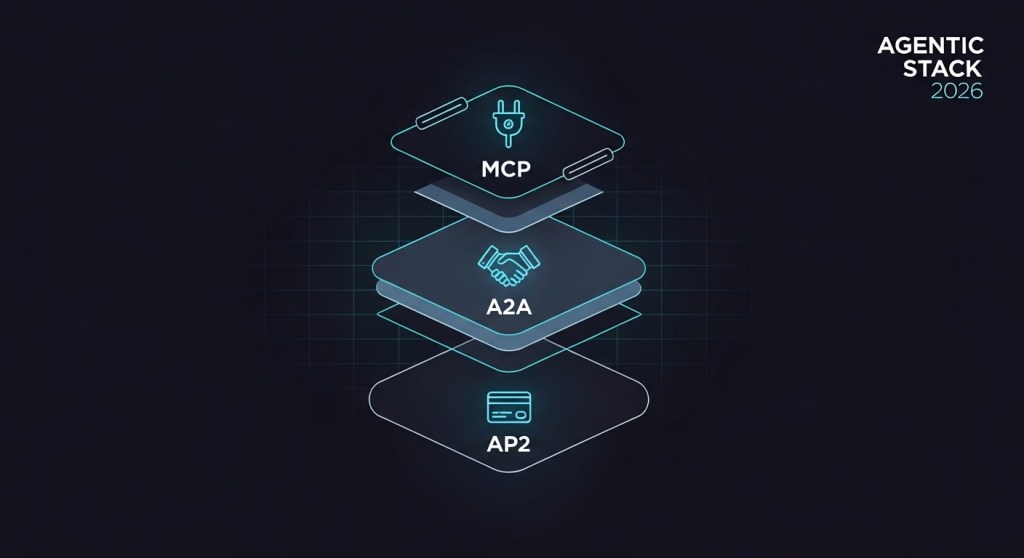
  • The 2026 Agentic Interop Stack: MCP + A2A + AP2 (and where Agent 365, Agentforce 360, and Operator fit)

    The 2026 Agentic Interop Stack: MCP + A2A + AP2 (and where Agent 365, Agentforce 360, and Operator fit)

    Editorial checklist for this post

    • Scan TechCrunch, Wired, and vendor blogs for the last 30–60 days to pinpoint trends (Agent 365, Agentforce 360, Operator; MCP, A2A, AP2).
    • Clarify audience and intent: founders, e‑commerce owners, and tech pros who need a practical, vendor‑agnostic blueprint.
    • Identify the gap: a single interop map tying platforms to open protocols with a 30‑day rollout.
    • Do SEO pass: target “Model Context Protocol,” “A2A protocol,” “AP2,” and platform names for discoverability.
    • Deliver value: concrete architecture, build vs. buy guidance, risks, internal playbooks, and external references.

    Enterprise AI agents are moving from prototypes to production. Microsoft unveiled Agent 365, Salesforce is pushing Agentforce 360, and OpenAI launched Operator. In parallel, open standards are maturing: the Model Context Protocol (MCP) for agent‑to‑tool connectivity, Agent‑to‑Agent (A2A) for cross‑vendor agent messaging (also backed by the Linux Foundation), and Google’s emerging Agent Payments Protocol (AP2) for agent‑led transactions. The upshot: you can design a stack that interops across vendors instead of locking into one.

    What changed this quarter (and why you should care)

    • Agent managers went mainstream: Microsoft’s Agent 365 and Salesforce’s Agentforce 360 promise centralized policy, identity, and oversight for swarms of agents.
    • Interop standards crossed the chasm: MCP is showing up across ecosystems (even in Windows AI Foundry, per The Verge), while Microsoft and the Linux Foundation are advancing A2A as a common language for multi‑agent apps.
    • Agent‑led payments got a spec: Google’s AP2 repo signals how agents will authenticate, authorize, and settle purchases via signed mandates.
    • Vendors acknowledge the need to play nicely: Reuters captured Microsoft’s call for agents that collaborate across vendors and retain memory responsibly, not expensively (source).

    The Agentic Interop Stack (2026‑ready)

    Think in layers. You can adopt this progressively and swap parts without rewriting your whole program:

    1. Identity & IAM for agents: Give every agent an identity, role, and least‑privilege access. Start with an internal registry and scoped credentials. See our 7‑day build: Agent Registry + IAM.
    2. Agent‑to‑Tool via MCP: Standardize how agents call internal tools, SaaS, and data. MCP reduces one‑off plugins and helps you audit who can do what.
    3. Agent‑to‑Agent via A2A: Let your procurement, finance, and CX agents coordinate tasks across apps, clouds, and vendors—observably and securely.
    4. Payments via AP2: Add cryptographically signed “mandates” so agents can request and execute purchases, refunds, or payouts with human‑in‑the‑loop checks.
    5. Observability & controls: Use OpenTelemetry for GenAI metrics, evals, and guardrails. Start with our Agent Reliability and Security Hardening playbooks.

    Where the big platforms fit

    • Microsoft Agent 365: A control plane to inventory, permission, and monitor agents—complementing MCP/A2A rather than replacing them. Wired.
    • Salesforce Agentforce 360: Agent builder + governance for Salesforce/Slack ecosystems, with growing hooks to reasoning models. TechCrunch.
    • OpenAI Operator: A browser‑capable agent that can act on websites with confirmation gates; useful where APIs are thin. TechCrunch.

    Build vs. buy vs. hybrid

    Buy a platform if you want rapid governance and inventory for many teams, and your stack is already Microsoft/Salesforce‑centric. Build on open protocols when you need deep integration with proprietary tools, data residency, or multi‑cloud portability. Hybrid is common: use Agent 365 or Agentforce 360 as the organizational “glass,” and run MCP servers, A2A messaging, and AP2 payments underneath for portability.

    30‑day rollout (minimal viable agentic stack)

    This roadmap is vendor‑agnostic and references our deeper tutorials where relevant.

    1. Days 1–7: Registry + IAM. Create an agent registry with identities, roles, and secrets; wire in least privilege. Follow our 7‑day guide: Registry + IAM. Add basic OpenTelemetry spans for every tool call.
    2. Days 8–14: MCP your top 3 workflows. Expose the 3 most valuable internal actions (e.g., “create refund,” “open support case,” “post to Slack”) via MCP servers. Capture inputs/outputs and red‑team with injection tests using our security plan.
    3. Days 15–21: Add A2A choreography. Connect 2–3 agents (Support + Billing + CX Ops) using A2A so they can pass tasks/state. Log agent‑to‑agent messages for audit and SLOs—see our control plane for policies.
    4. Days 22–30: Pilot AP2 (read‑only → test → guarded write). Start with mandate previews and dry‑runs; then enable low‑risk transactions with spending limits and human confirmation. For e‑commerce, follow our AP2 e‑commerce playbook and our 48‑hour returns agent.

    Security, reliability, and compliance checkpoints

    • Guardrails and evals: Include jailbreak and tool‑abuse tests in CI; fail closed when prompts or tool outputs are suspicious.
    • Observability: Track request rates, tool latency, refusal rates, cost per successful task, and human takeover rate. Use our SLO + runbook guide.
    • Governance: Map controls to the EU AI Act, ISO/IEC 42001, and NIST AI RMF with our 30‑day governance starter.

    Real‑world use cases you can ship now

    • Post‑purchase CX: Returns/exchanges over WhatsApp connect via MCP to Shopify and via A2A to billing; AP2 authorizes partial refunds with a mandate trail. Start here: 48‑hour returns agent.
    • Invoice triage → pay: A2A hands off from AP to Finance; MCP fetches approvals from ERP; AP2 executes capped payments with human confirmation.
    • Agentic marketing ops: MCP connects analytics + CMS; A2A coordinates campaign tasks; AP2 funds small‑budget experiments with strict spend limits.

    Quick SERP snapshot (and the gap we fill)

    Most high‑ranking coverage today focuses on announcements: Agent 365, Agentforce 360, Operator, plus explainers on A2A and MCP. What’s missing is a hands‑on interop plan that blends platforms with open protocols, tied to security, observability, and payments. That’s this guide.

    Decision checklist before you scale

    • Do we have an agent registry and least‑privilege IAM?
    • Are our top workflows exposed via MCP with audit trails?
    • Can our agents talk over A2A with message logging and SLOs?
    • Have we piloted AP2 mandates with spend caps and human sign‑off?
    • Are SLOs, runbooks, incident response, and guardrails in place?
    • Which vendor UI (Agent 365 / Agentforce 360) will serve as our control glass—and what remains portable via MCP/A2A/AP2?

    Key links and further reading

    • Microsoft Agent 365 (Wired coverage)
    • Agentforce 360 (TechCrunch)
    • OpenAI Operator (TechCrunch)
    • Microsoft on A2A
    • Linux Foundation A2A
    • MCP overview and Windows support (The Verge)
    • Microsoft’s cross‑vendor vision (Reuters)
    • Google’s AP2 repos

    Note: If your next step is tooling selection, grab our 2026 AI Agent Platform RFP Checklist.

    Call to action

    Want a hands‑on walkthrough of this stack for your product or store? Subscribe for weekly playbooks, or contact us to pilot an MCP + A2A + AP2 workflow in 30 days.

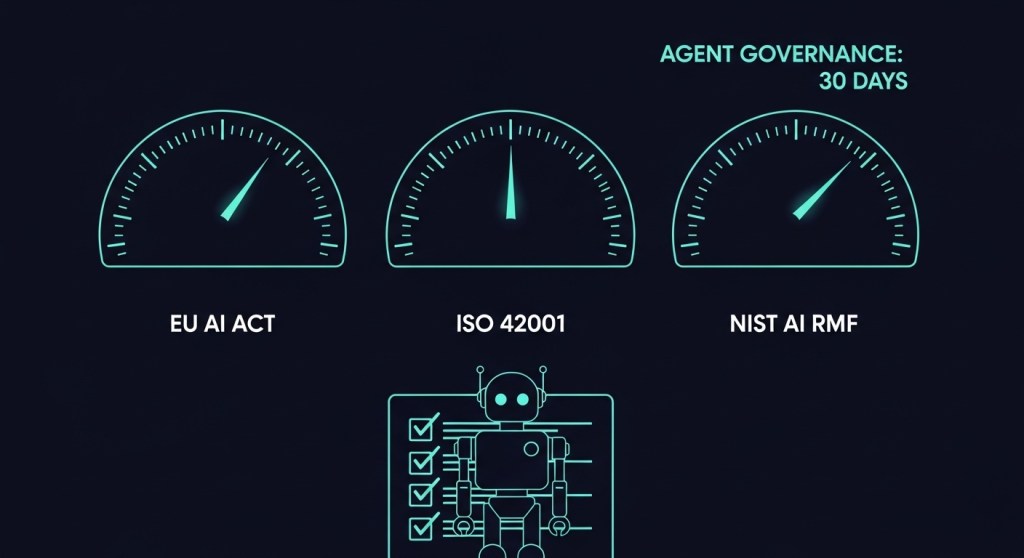
  • The 30‑Day Agent Governance Starter: Map Your AI Agents to the EU AI Act, ISO/IEC 42001, and NIST AI RMF

    Planned steps

    • Scan competitor trends and standards shaping agent governance.
    • Clarify audience, use cases, and compliance pain points.
    • Map required controls to EU AI Act, ISO/IEC 42001, and NIST AI RMF.
    • Propose a vendor‑agnostic 30‑day rollout with measurable checkpoints.
    • Instrument telemetry, evals, and audit trails; prepare for audits.
    • Offer templates and internal links for deeper execution.

    Why this matters right now

    Enterprise agent platforms and interop standards have accelerated in the past few months: OpenAI shipped AgentKit with Agent Builder, ChatKit, and evals; Microsoft introduced Agent 365 to manage agent fleets; Salesforce launched Agentforce 360; and A2A emerged as a cross‑vendor protocol for agent‑to‑agent collaboration. Together, these moves signal that governance has to graduate from slideware to systems. citeturn3search0turn3search1turn2search0turn2search1turn2news12turn4search0

    Regulators are also moving. The EU AI Act’s staged obligations began on February 2, 2025, expand on August 2, 2025, and most high‑risk rules bite on August 2, 2026 (with some extensions to 2027). If your agents touch EU users or markets, you need a plan now. citeturn5search0turn6search2

    Who this guide is for

    • Startup founders standing up first production agents and needing quick but credible guardrails.
    • E‑commerce operators deploying agents for checkout recovery, returns, and CX workflows.
    • Tech leaders tasked with turning policies (NIST, ISO, EU) into practical controls.

    Outcomes you’ll achieve in 30 days

    • A minimal but auditable Agent Governance Stack (registry, IAM, policies, logs, evals).
    • A control map covering EU AI Act milestones, ISO/IEC 42001 (AIMS), and NIST AI RMF.
    • Operational dashboards and OpenTelemetry-based traces for every agent action.
    • A lightweight assurance pack (runbooks, SLOs, DPIA notes, and an audit trail export).

    The Agent Governance Stack (reference architecture)

    1. Agent Registry + Identity & Access: Central inventory, unique agent identities, least‑privilege access, key rotation, and out‑of‑band approvals for risky tools. Microsoft’s Agent 365 frames this well, even if you’re multi‑vendor. citeturn2search0
    2. Standards Interop: Adopt MCP for tool connectivity and A2A for agent‑to‑agent workflows to reduce bespoke glue code and enable governance at the protocol layer. citeturn4search12turn4search0
    3. Telemetry & Audit: End‑to‑end traces of thoughts, tool calls, inputs/outputs, approvals, and data lineage using OpenTelemetry GenAI conventions. Pair with budget and risk limits.
    4. Evals & Guardrails: Pre‑deployment and runtime evals for task success, safety, PII handling, and prompt‑injection resilience. OpenAI’s AgentKit adds built‑in evals and guardrails you can reuse. citeturn3search0turn3search1
    5. Change Management: Versioned prompts, tools, and policy bundles with rollback.
    6. Incident Response: Runbooks, containment switches, and post‑mortems that capture evidence.

    Map controls to frameworks

    EU AI Act (dates you must know)

    • Feb 2, 2025: Prohibitions and AI literacy provisions apply (e.g., bans on manipulative AI and certain biometric uses). citeturn5news12
    • Aug 2, 2025: Governance in place; GPAI model obligations apply; national authorities designated. citeturn5search0turn6search1
    • Aug 2, 2026: Most high‑risk system rules enforced; enforcement ramps at EU and national levels. Some embedded high‑risk systems extend to Aug 2, 2027. citeturn6search2

    What to implement: risk classification for each agent use case; human‑in‑the‑loop for high‑risk decisions; event logging, transparency notes, and a DPIA‑style risk record; vendor/agent contracts reflecting Act obligations.

    ISO/IEC 42001 (AIMS)

    Treat AI like security management (ISO 27001) but for AI: establish policies, roles, risk processes, monitoring, and continual improvement cycles. Use this as your certifiable management backbone across vendors. citeturn5search1

    NIST AI RMF

    Map your activities to Map–Measure–Manage–Govern and add the 2024 Generative AI profile for concrete controls (evals, data governance, red‑teaming). citeturn5search2turn5search4

    The 30‑day rollout (vendor‑agnostic)

    Week 1 — Inventory + Risk + Access

    • Stand up an agent registry with unique IDs, owners, and purpose tags (map to ISO 42001 scope and NIST RMF Map).
    • Define risk tiers by use case (payments, PII, decisions) and attach required controls (HITL, dual‑approval, eval thresholds).
    • Enforce least privilege and approval flows for destructive tools; rotate secrets.
    • If you’re on Microsoft, enable Agent 365 early access for inventory and policy baselines; on Salesforce, document how your Agentforce 360 agents authenticate and what data they see. citeturn2search0turn2search1

    Week 2 — Telemetry + Evals + Budgets

    • Instrument OpenTelemetry traces: goal → plan → tool calls → outputs → approvals → side effects. Add PII and model metadata tags.
    • Adopt AgentKit evals (or your framework’s equivalent) for task success, safety, PII masking, and prompt‑injection; set pass/fail gates for deploys. citeturn3search0
    • Set spend SLOs and dynamic routing for cost control; alert on anomaly spikes.

    Week 3 — Policies + Interop + Change control

    • Codify policy bundles (allow/deny lists, escalation thresholds, DPIA notes) and attach them to agents via your registry.
    • Adopt MCP for standardized tool access and A2A for cross‑agent workflows; this reduces custom glue and lets you govern at the protocol layer. citeturn4search12turn4search0
    • Introduce versioned releases for prompts/tools with rollbacks and a change‑advisory checklist.

    Week 4 — Assurance pack + Exercises

    • Run a tabletop exercise for data‑leak or tool‑abuse scenarios; verify kill‑switches and comms plans.
    • Assemble an assurance pack: registry export, policy bundle, eval results, OpenTelemetry trace samples, SLOs, and incident runbooks—mapped to EU AI Act articles, ISO 42001 clauses, and NIST AI RMF functions.
    • Schedule a quarterly audit and a monthly red‑team/eval refresh.

    Real‑world alignment to your stack

    • OpenAI AgentKit: Use Agent Builder for versioned workflows, Guardrails for PII and jailbreak defenses, and Evals for pass/fail gates. Embed with ChatKit to ensure UX consistency and provenance. citeturn3search0
    • Microsoft Agent 365: Treat it as the “user→agent” extension of Entra/Purview/Defender—great for registry, identity, and data governance in M365‑heavy shops. citeturn2search0
    • Salesforce Agentforce 360: Leverage the platform’s governance and Slack‑native collaboration; document how agents use Customer 360 data and set evals before enabling proactive actions. citeturn2search1turn2news12

    Documentation you need for audits

    1. Agent Catalog: purpose, owners, data access, tools, jurisdictions.
    2. Risk & Controls Register: EU AI Act mapping (+ DPIA notes), ISO 42001 clauses, NIST RMF functions.
    3. Evaluation Dossier: datasets, metrics, pass/fail history, red‑team notes.
    4. Telemetry Archive: OpenTelemetry trace samples with data lineage and approvals.
    5. Incident File: runbooks, drills, lessons learned, and corrective actions.

    FAQ

    Do I need to rebuild everything to comply?
    No. Start with registry + identity + eval gates. Most controls are process and telemetry, not model surgery. ISO 42001 gives you a management scaffold; NIST AI RMF provides operational detail. citeturn5search1turn5search2

    What about cross‑vendor agents?
    Adopt MCP and A2A early to avoid bespoke adapters; they’re gaining broad industry support and simplify governance. citeturn4search12turn4search0

    What dates should I communicate to leadership?
    Feb 2, 2025 prohibitions, Aug 2, 2025 governance/GPAI obligations, Aug 2, 2026 high‑risk enforcement, with some extensions to Aug 2, 2027. Build your internal roadmap against these. citeturn5search0turn6search2

    Go deeper with these how‑tos


    Call to action: Need hands‑on help to become audit‑ready in 30 days? Subscribe for templates and book a working session with the HireNinja team.

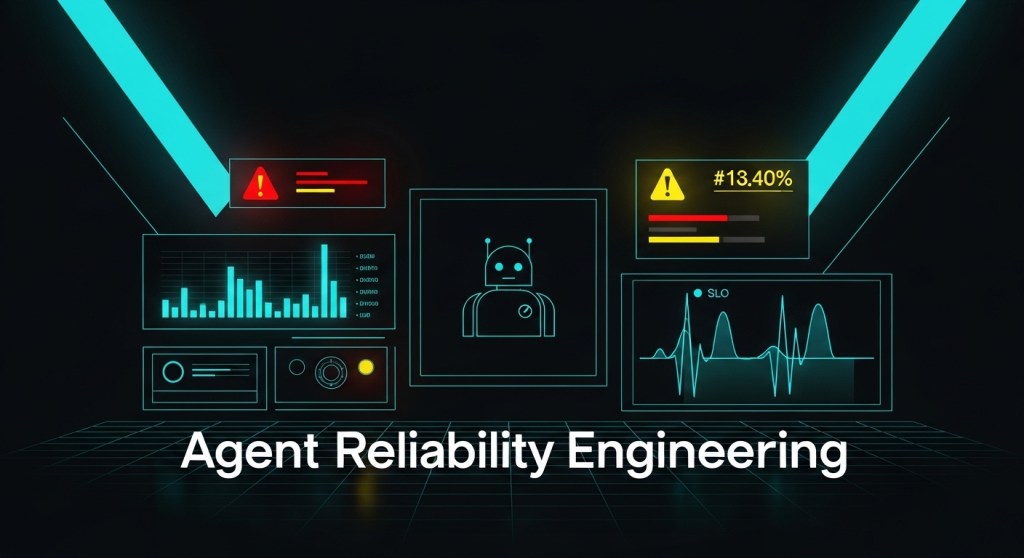
  • Agent Reliability Engineering: SLOs, Runbooks, and Incident Response for AI Agents in 30 Days (MCP + OpenTelemetry)

    Agent Reliability Engineering: SLOs, Runbooks, and Incident Response for AI Agents in 30 Days (MCP + OpenTelemetry)

    AI agents are moving from demos to daily work. Microsoft launched Agent 365, a control plane to manage fleets of enterprise agents, and OpenAI shipped AgentKit to build and evaluate them. At the same time, researchers are finding surprising failure modes in realistic tests—see Microsoft’s synthetic marketplace where agents failed in unexpected ways. If you’re a founder or operator, you don’t just need agents—you need Agent Reliability Engineering (ARE).

    This 30‑day, vendor‑agnostic playbook shows how to ship SLOs, runbooks, and incident response for AI agents using OpenTelemetry GenAI semantic conventions, MCP security best practices, and continuous evals.

    What is Agent Reliability Engineering?

    ARE applies SRE principles to AI agents: measurable reliability (SLIs/SLOs), defense‑in‑depth guardrails, fast detection, and practiced incident response. It complements your agent control plane and registry (identity, policy, audit) and turns “hope it works” into “we can prove it.”

    If you’re rolling out an enterprise platform like Agent 365 or Salesforce’s Agentforce 360, or building on AgentKit, an ARE foundation prevents surprises, contains blast radius, and accelerates scale‑up.

    The 30‑Day ARE Playbook

    Week 1 — Inventory, Baselines, and SLIs/SLOs

    • Centralize your agent inventory with owner, purpose, tools, data scope, and environments. If you don’t have this yet, stand up a lightweight registry. Our 7‑day guide: Agent Registry + IAM.
    • Define SLIs/SLOs for each business flow. Start with:
      • Task success rate (golden paths)
      • Mean time to correct action (TTCA)
      • Tool error rate (API/browser tool failures)
      • Escalation rate to human
      • Safety fallback rate (refusals/guardrail triggers)
      • Unit economics: cost per successful task
    • Instrument agents with OpenTelemetry GenAI agent spans and GenAI metrics (e.g., gen_ai.client.token.usage, error counters, latency histograms). Emit agent and tool spans so you can correlate failures to specific tools.

    Week 2 — Observability, Budgets, and Evals

    • Dashboards & alerts: Wire SLIs to dashboards and page on SLO breaches. Alert on abnormal spikes in tool errors, long tail latencies, and safety fallbacks.
    • Cost guardrails: Set budgets per agent and per flow; alert on cost per success regression. Use our 30‑60‑90 FinOps plan: Agent FinOps.
    • Continuous evals: Add pre‑merge and nightly evaluations using OpenAI Agent Evals for trace grading and dataset‑based scoring. Fail builds if eval scores drop beyond thresholds.

    Week 3 — Guardrails, Security, and Runbooks

    • Security baseline (MCP): Apply MCP security best practices—audience‑bound tokens, scope minimization, sandboxed local servers, and explicit user consent for one‑click configuration. See our 30‑Day Security Hardening Plan.
    • Runbooks: For each top incident, write a two‑page max runbook: how to detect, first actions, rollback, and escalation. Consider auto‑scribe/IR tooling patterns (e.g., AWS documents an AI investigative agent approach) to capture timelines without toil.
    • Change policy: Require eval pass + canary + SLO no‑regression for any agent prompt/graph change. Log every change into your registry for audit.

    Week 4 — Game Days, Red Teaming, and Handoffs

    • Game day drills: Recreate Microsoft’s findings by simulating adversarial marketplaces and misaligned incentives; measure detection and MTTR. Their research shows why agents can fail in realistic conditions—prepare accordingly (study summary).
    • Red‑team your support agent: Follow our 48‑hour plan to probe prompt injection and tool abuse: red‑teaming guide.
    • On‑call & postmortems: Assign owners, define clear severity levels, and adopt blameless postmortems with links to traces, evals, and cost deltas.

    SLIs/SLOs that Matter for Agents

    • Task success rate (TSR): ≥ 95% on golden paths (checkout recovery, refund approval, password reset).
    • TTCA (mean time to correct action): ≤ 8s for API‑only, ≤ 20s for browser agents.
    • Tool error rate: ≤ 0.5% per 1,000 calls to critical tools.
    • Safety fallback rate: ≤ 2% with reason codes logged.
    • Cost per successful task: baseline now; expect 30–50% reduction with FinOps controls over 90 days.

    Observability: What to Emit

    Use the GenAI semantic conventions so your telemetry is portable:

    • Spans: agent (workflow), model (LLM calls), tool (API/browser actions)
    • Metrics: gen_ai.client.token.usage, gen_ai.request.duration, gen_ai.errors, custom agent.task.success
    • Events: input/output truncation, safety policy triggers, escalation

    References: GenAI agent spans and GenAI metrics.

    Security: Reduce Blast Radius Before It Matters

    Two realities:

    1. Identity fragmentation around MCP servers is a real risk without firm IAM (analysis).
    2. Attackers will exploit weak consent and over‑broad scopes (MCP guidance).

    Minimums for Week 3:

    • Issue agent identities; bind tokens to audiences; enforce least privilege.
    • Require human approval for new tool scopes; expire unused grants.
    • Log all agent actions and tool calls; keep 30–90 days searchable.

    If you want third‑party options, the market is maturing—security startups are emerging specifically for MCP agent fleets (recent funding).

    Runbook Template (copy/paste)

    Title: [Agent/Flow] Incident Runbook — [Short name]
    Severity Levels: SEV1 (customer impact), SEV2 (degraded), SEV3 (internal only)
    
    Detect
    - SLO breach alert: [link]
    - High safety fallback rate or tool errors: [query]
    
    First Actions (10–15 minutes)
    - Toggle safe mode (read-only or human-in-loop)
    - Roll back to last good agent version / prompt
    - Drain traffic to canary; pin model/version
    
    Diagnose
    - Check trace sample: [link]
    - Compare eval deltas (last 24h): [dashboard]
    - Inspect tool errors: [query]
    
    Mitigate
    - Apply known fixes or switch to backup tool
    - Escalate to human workflow if TSR < SLO for 15 min
    
    Comms
    - Stakeholders channel + customer update template
    
    Postmortem
    - Root cause, contributing factors, lessons, actions, owner & due date
    

    Tooling Stack (reference)

    • Control plane & registry: ship in 7 days
    • Evals: OpenAI Agent Evals
    • Observability: OpenTelemetry SDK + Collector; GenAI conventions
    • Security: MCP best practices; policy‑as‑code; scoped credentials

    Why This Matters Now

    Enterprises expect an “agent OS” experience. Microsoft’s Agent 365 signals that operators will manage agents like employees—identity, access, audits, the whole stack (Wired). Without ARE, you’ll scale incidents, not impact.

    Next Steps

    1. Stand up the registry + SLOs this week (7‑day plan).
    2. Add GenAI telemetry + dashboards; enable alerts.
    3. Integrate evals into CI; block risky changes.
    4. Write runbooks for your top 3 incidents; schedule a game day.
    5. Harden security and budgets (security plan · FinOps playbook).

    Call‑to‑Action: Want a ready‑to‑use ARE checklist and runbook templates? Subscribe to HireNinja for weekly agent playbooks, or reach out if you want help instrumenting OpenTelemetry and evals across your agent stack.

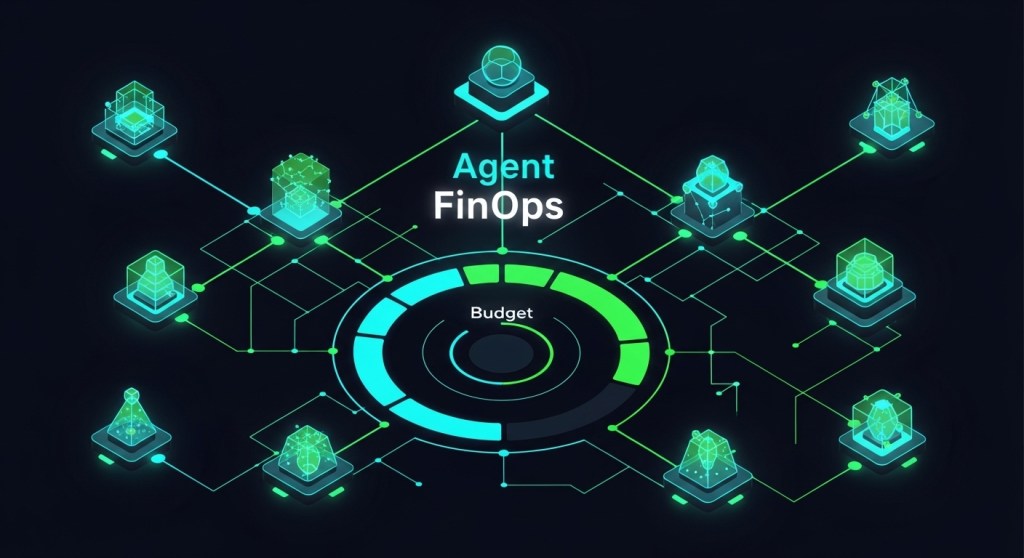
  • Agent FinOps: The 30‑60‑90 Day Playbook to Cut AI Agent Costs (Without Slowing Down)
    • Scan the latest agent platform trends to confirm urgency.
    • Define Agent FinOps goals and unit economics.
    • Instrument OpenTelemetry GenAI metrics + tracing.
    • Stand up budgets, guards, and cost-aware routing.
    • Optimize for margin and reliability with continuous evals.

    Why now: Agent sprawl is real

    Enterprise agent platforms are moving fast—Microsoft’s Agent 365, OpenAI’s AgentKit, and new MCP/A2A tooling make it easy to deploy many agents quickly. That’s great for velocity—and dangerous for spend without guardrails. A pragmatic Agent FinOps plan helps you scale agents while controlling cost and preserving reliability. (See recent coverage of Agent 365 and AgentKit for context. citeturn0news12turn0search0)

    Security is also top of mind: new funding is flowing into MCP-focused security startups, and Microsoft’s research shows agents can fail in surprising ways in realistic simulations—costly retrials and loops included. Your cost program and your safety program should ship together. citeturn0search4turn0search6

    What is Agent FinOps?

    Agent FinOps applies cloud FinOps discipline to AI agents: attribute costs and latency to each agent and task; set budgets and SLOs; route intelligently across models/tools; and continuously evaluate cost, quality, and risk. Instrumentation relies on OpenTelemetry’s Generative AI semantic conventions so you can standardize tokens, costs, and errors across vendors. citeturn2search3turn2search9

    Outcomes to target in 90 days

    • 30–50% lower run-rate for the top 5 agent workflows via routing, caching, and guardrails.
    • Clear unit economics (cost-per-resolution, cost-of-pass) per agent.
    • Automated alerts for budget breaches and runaway loops.
    • Weekly evals and trace grading to ensure cost cuts don’t degrade quality. citeturn1search1turn1search3

    Day 1–30: Instrument everything

    1) Adopt OpenTelemetry GenAI metrics + traces

    Start with vendor-neutral telemetry. Emit gen_ai.client.token.usage, request/response sizes, model name, provider, latency, and error attributes for every agent step. Correlate with spans for tools, RAG calls, and browser actions. This prevents blind spots as you switch providers or add MCP/A2A integrations. citeturn2search3turn2search9

    // Example (pseudo-TypeScript)
    span.setAttributes({
      'gen_ai.system': 'openai',
      'gen_ai.model': 'gpt-4.1-mini',
      'gen_ai.request.id': runId,
      'gen_ai.client.token.input': inTokens,
      'gen_ai.client.token.output': outTokens,
      'gen_ai.cost.total_usd': cost,
      'agent.name': 'checkout-recovery',
      'agent.user_tier': 'pro'
    });
    

    2) Trace-grade and evaluate

    Enable trace grading and agent evals to connect cost changes with quality and reliability. Keep a baseline suite (representative tasks, expected outcomes) and run weekly. If cost drops but grade/consistency falls, roll back. citeturn1search1turn1search3

    3) Tie telemetry to your registry + IAM

    Every agent should have an identity, owner, data access policy, and cost center. If you haven’t yet, stand up an internal registry + IAM and attach cost metadata so budgets and alerts roll up to teams. See our 7‑day guide: Ship an AI Agent Registry + IAM in 7 Days.

    Day 31–60: Budgets, guardrails, and cost-aware routing

    4) Set budgets and SLOs per agent

    • Monthly budget caps with soft/hard stops per agent and per customer tier.
    • SLOs that balance cost, latency, and success rate (e.g., 95% task success, P95 < 4s).
    • Policy: when to degrade gracefully (switch to smaller model, reduce tool calls) vs. escalate to human.

    5) Add cost-aware model/tool routing

    Route simple tasks to cheaper models; reserve premium models for tough cases. Use dynamic routing based on real‑time grades and budget headroom. Research shows constrained policies can cut costs materially without hurting reliability—use this as a north star for your heuristics while you iterate. citeturn4academia14

    6) Rein in loops and browser actions

    Most surprise bills come from retries, tool loops, and browser agents. Set max‑step limits, per‑tool rate limits, and loop detectors. Microsoft’s synthetic marketplace work highlights how agentic behaviors can go off‑rails—design for it. citeturn0search6

    7) Secure-by-default to avoid expensive incidents

    Prompt injection and tool abuse waste spend and create risk. Apply MCP security best practices and isolate credentials. Consider specialized MCP security tooling as your footprint grows. citeturn0search4

    Related guides: 30‑Day AI Agent Security Hardening Plan and Build an Internal AI Agent Control Plane in 7 Days.

    Day 61–90: Optimize unit economics and interoperability

    8) Define unit economics that matter

    • Cost‑per‑resolution (CPR): total cost to complete a task (refund, booking, lead).
    • Cost‑of‑pass: cost to achieve a correct outcome on a benchmark task suite.
    • Agentic margin ratio: revenue or savings per task minus agent cost, divided by revenue/savings.

    Apply these to revenue‑tied agents first—e.g., Checkout Recovery and Returns & Exchanges—so savings/revenue gains are obvious.

    9) Standardize interop (MCP + A2A) without vendor lock‑in

    Use MCP for tool connectivity and A2A for agent‑to‑agent messaging so you can swap models/vendors without rewiring the house. Microsoft and others are pushing MCP support across platforms; A2A aims to standardize inter‑agent communication. Bake cost metadata into these messages to keep cross‑agent work accountable. citeturn1news12turn3search1

    For platform comparisons, see our 2026 AI Agent Platform RFP Checklist.

    10) Close the loop with continuous evals

    Run weekly evals with cost, latency, and reliability targets (not just accuracy). Emerging enterprise frameworks propose multi‑dimensional scorecards—adapt them pragmatically to your domain. citeturn1search1

    Build vs. buy: the pragmatic stack

    • Agent SDKs/platforms: OpenAI AgentKit offers evaluators, builder UI, and connector registry; pair with your own OTel pipeline. citeturn0search0
    • Observability: Use OpenTelemetry end‑to‑end; many tools export OTel for agents out of the box.
    • Security: MCP‑aware security and policy enforcement as you scale. citeturn0search4

    Common pitfalls (and quick fixes)

    • Only tracking API bills: Add per‑tool and per‑agent spans so non‑LLM costs (RAG, search, browser) are visible. citeturn2search9
    • Cutting cost, breaking quality: Require passing trace grades before shipping cost changes. citeturn1search3
    • Lock‑in via proprietary plugins: Prefer MCP/A2A‑based connectors for portability. citeturn1news12turn3search1

    Quick-start checklist (copy/paste)

    1. Emit OTel GenAI metrics + spans in staging; verify tokens/costs roll up by agent. citeturn2search3
    2. Create budgets and alerts in your observability backend.
    3. Implement a simple router: small ↔ big model based on confidence/grade.
    4. Set loop caps and per‑tool rate limits; add human‑escalation policy.
    5. Run weekly evals; block deploys on grade regressions. citeturn1search1

    The bottom line

    Agents are crossing the enterprise chasm; cost and reliability discipline must keep pace. Instrument with OpenTelemetry, govern with budgets and SLOs, and iterate with evals. You’ll cut spend materially without slowing teams down. citeturn0news12turn2search3


    Call to action: Want a ready‑to‑use Agent FinOps dashboard for MCP + AgentKit? Subscribe for our upcoming template or contact HireNinja for a 30‑minute teardown of your top agent workflow.

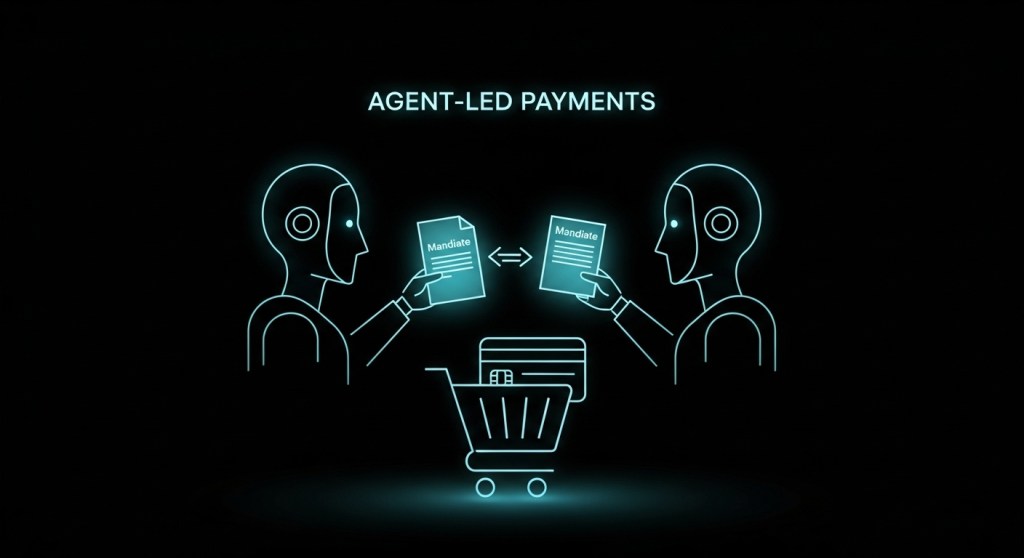
  • Agent‑Led Payments Are Here: AP2 + A2A + MCP for E‑Commerce (A 30‑Day Playbook)

    Planned steps checklist

    • Scan what’s new: A2A for inter‑agent comms, MCP for tool/data access, AP2 for payments.
    • Map 3 high‑ROI use cases (checkout recovery, returns/exchanges, proactive upsell) and required guardrails.
    • Stand up a secure agent control plane (registry, IAM, gateway, observability).
    • Implement AP2 mandates and A2A agent cards; enforce least‑privilege MCP.
    • Instrument SLOs, red‑team, and go live behind feature flags.

    Why this matters now

    In 2025, three open standards matured fast enough to make agent‑led commerce viable:

    • Model Context Protocol (MCP): open spec (introduced by Anthropic) to let agents access tools, files, and business systems via standard servers. Source.
    • Agent2Agent (A2A): Google‑origin open protocol (now Linux Foundation) for secure agent‑to‑agent communication and capability discovery across apps and clouds. Microsoft added support in Azure AI Foundry and Copilot Studio. TechCrunch, Linux Foundation, Reuters.
    • Agent Payments Protocol (AP2): payments layer that uses cryptographic mandates so agents can buy things safely on users’ behalf. Google and PayPal showcased merchant flows; AP2 extends A2A + MCP. Google Cloud, AP2 announcement (JP), ecosystem.

    Translation: by 2026, your store won’t just sell to humans; you’ll negotiate and transact with customer agents. Early movers will control the experience, the data, and the margin.

    Plain‑English primer

    • MCP = your store’s secure set of “tools” (e.g., inventory, pricing, discounts, order APIs) exposed via standard servers that any compliant agent can use—under tight permissions.
    • A2A = how agents talk to each other. Think secure handshakes with “agent cards” describing capabilities, auth, and endpoints.
    • AP2 = how agents pay. Mandates are cryptographically signed instructions (“buy 2 tickets, max $200”), creating an auditable trail that issuers and networks can verify.

    Reference architecture for an AP2‑ready commerce agent

    1. Agent control plane: Registry of approved agents + identity/permissions for each. Start here: Ship an AI Agent Registry + IAM in 7 Days.
    2. MCP servers: Wrap your core commerce functions (catalog, pricing, carts, orders, refunds). Enforce least‑privilege tokens and per‑tool scopes. See our 30‑Day AI Agent Security Hardening Plan.
    3. Agent gateway: A policy and isolation layer to authenticate agents, filter prompts/tool calls, and control network/file access. Docker and others have warned about insecure MCP tooling; run tools in hardened containers and prefer signed images. InfoQ.
    4. A2A for interop: Publish an agent card with your capabilities (search, add‑to‑cart, returns). This lets customer agents interoperate with your shop agent.
    5. AP2 mandates: Implement Cart and Payment Mandates so issuers and networks can verify user intent and agent presence. Example.
    6. Observability: Trace every step with OpenTelemetry—inputs, tools, outcomes, cost—and wire alerts. Start here: Agent SLOs That Matter.
    7. Human handoff + dispute flows: Define when to escalate to a human and how AP2 records tie into your refund/chargeback process.

    The 30‑day rollout plan (security‑first)

    Week 1: Scope and guardrails

    Week 2: Control plane + interop

    • Stand up the agent control plane with registry, IAM, and policy. 7‑Day control plane.
    • Expose read‑only MCP for catalog and pricing; add write scopes for carts and returns. Consider Cloudflare’s remote MCP server for auth and traffic control. Cloudflare.
    • Publish your A2A agent card so customer agents can discover your capabilities.

    Week 3: Payments and proofs

    • Implement AP2 Cart and Payment Mandates; bind user‑present authorization to a specific basket and total.
    • Map mandates to issuer/network requirements (e.g., risk signals for agent presence) and store non‑repudiable evidence for disputes. AP2 details.
    • Run observability end‑to‑end with OpenTelemetry; track time‑to‑first‑tool (TTFT), task success, escalations, and cost.

    Week 4: Evals, SLOs, and launch

    • Define SLOs for success rate, refund accuracy, max cart delta, and MTTR for human handoff. Ship dashboards and alerts. SLOs guide.
    • Red‑team the full flow: prompt injection at product pages, tool poisoning, mandate tampering, and payment replay.
    • Launch behind feature flags to a small cohort; enable rollback and manual override.

    Security pitfalls you must address

    The MCP ecosystem is evolving; several high‑severity CVEs and analyses highlight common misconfigurations and insecure tools:

    • OAuth and command‑injection flaws in popular MCP clients/relays (e.g., mcp-remote), enabling arbitrary OS command execution if you connect to untrusted servers. Wiz.
    • Drive‑by localhost attacks against developer tools used for MCP inspection/debugging; patch and avoid exposing proxies. Wiz.
    • Container isolation: Docker’s research found widespread tool flaws; they recommend signed, isolated containers and strict egress policies. InfoQ.
    • Zero‑trust policy: Centralize MCP traffic and enforce per‑user, per‑server policies; Cloudflare and others now offer MCP controls. Cloudflare.
    • Vendor landscape: A wave of MCP security products (e.g., gateways) is emerging; TechCrunch’s Runlayer launch shows enterprise demand for all‑in‑one security/observability. TechCrunch.

    Compliance notes (PCI DSS, privacy, and disputes)

    • PCI scope: Keep card data out of agent memory. Use tokenized payment methods and delegate authorization via AP2 mandates.
    • PII minimization: Scope tools narrowly; redact at the gateway; prefer transient contexts.
    • Dispute readiness: Store mandate artifacts (who/what/when/limits) to speed chargeback resolution and reduce friendly fraud.

    KPIs and SLOs that matter

    • Checkout agent success rate (recovered carts ÷ attempts)
    • Average cart delta vs mandate limit
    • Escalation rate to human + MTTR
    • Refund accuracy and no‑regret refunds ratio
    • Cost per task and per $100 of GMV recovered

    Instrument these with OpenTelemetry; enforce budget guards and auto‑pause on anomalies. See: our 7‑day SLO plan.

    Build vs. buy and what to ask vendors

    If you plan to buy, draw from our 2026 AI Agent Platform RFP Checklist. Add payments‑specific questions:

    • Do you support A2A agent cards and AP2 mandates end‑to‑end, including issuer/network evidence?
    • How do you isolate MCP tools (containers, signed artifacts, egress controls)?
    • What CVE response/SLA do you offer for MCP components?
    • Can you route all traces/logs to our SIEM and enforce policy at the gateway?
    • What are your default SLOs for agent‑led checkout and returns?

    Real‑world starting points you can ship this month

    • 24‑hour checkout recovery agent with mandate‑aware discounts and escalation. Guide
    • 48‑hour returns & exchanges agent on WhatsApp with mandate‑backed refunds and policy checks. Guide
    • Interop‑ready control plane so partners’ customer agents can talk to yours. Interop playbook

    Before you go live

    • Patch known MCP toolchain CVEs; block connections to untrusted MCP servers by default (allow‑list only).
    • Run an agent canary in production to detect prompt‑injection and mandate tampering.
    • Document rollback and human‑in‑the‑loop steps; practice the drill.

    Further reading: For a grounded view of agent strengths and failure modes, see this field story of an “all‑agent” startup—useful perspective as you design guardrails. WIRED.

    Call to action

    Want help shipping an AP2‑ready checkout or returns agent? Our team has shipped secure, observable agents with MCP + A2A in days, not months. Talk to HireNinja or subscribe for new playbooks.

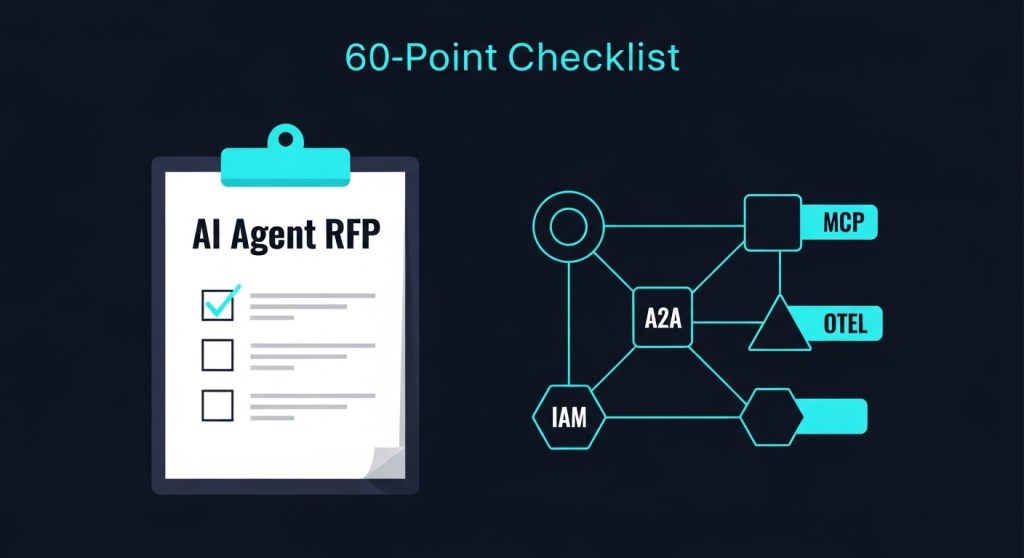
  • The 2026 AI Agent Platform RFP Checklist: 60 Questions CIOs Should Ask (MCP, A2A, AgentKit, Agentforce 360, Agent 365)

    The 2026 AI Agent Platform RFP Checklist: 60 Questions CIOs Should Ask (MCP, A2A, AgentKit, Agentforce 360, Agent 365)

    As of November 22, 2025, the agent platform race has gone mainstream: OpenAI launched AgentKit in October, Salesforce rolled out Agentforce 360, Microsoft introduced Agent 365, and Amazon pushed browser-native automation with Nova Act. Meanwhile, industry groups advanced open protocols like A2A and enterprises are doubling down on governance and security. citeturn0search0turn0search3turn0news12turn0search2turn4search2

    That noise makes procurement hard. This vendor-agnostic RFP checklist turns the headlines into practical questions you can hand vendors on day one—and score consistently across security, interoperability, observability, cost-to-serve, and reliability. It also links to hands-on build guides if you want to prototype before you buy.

    Who this is for

    • Startup founders validating a first production agent.
    • E‑commerce operators scaling support or post‑purchase automations.
    • Product, data, and platform teams standardizing on an enterprise agent stack.

    Context you can cite in your RFP

    Recent launches signal the features buyers should demand: agent builders and evaluations (AgentKit), enterprise orchestration (Agentforce 360), centralized registry/IAM (Agent 365), browser agents for GUI workflows (Nova Act), and open interop via A2A. Use them as reference capabilities, not vendor lock‑in. citeturn0search0turn0search3turn0news12turn0search2turn4search2

    Risk teams will ask for alignment with recognized frameworks like NIST AI RMF (and its Generative AI profile) and ISO/IEC 42001 for AI management systems. Reference them explicitly in your RFP. citeturn1search0turn1search2turn3search0

    Finally, expect questions about real‑world reliability: Microsoft’s recent research shows agents fail in surprising ways under competitive, messy conditions—so demand evidence, not demos. citeturn0search5

    How to use this checklist

    1. Score each question 0–3 (0=no capability, 1=partial, 2=meets, 3=exceeds).
    2. Weight sections: Security 25%, Interop 15%, Observability 15%, Reliability/SLOs 15%, Data & Compliance 15%, Remaining 15%.
    3. Require a 2–3 page evidence appendix per section (screenshots, schema, dashboards).

    60 RFP questions to send vendors

    1) Registry, Identity & Access (least privilege)

    • Do you provide an agent registry with unique IDs, roles, and lifecycle states (draft, prod, retired)?
    • How are tool permissions scoped per agent (capability bounding, time‑boxed tokens)?
    • Do you support human operator identities and auditable approvals for high‑risk actions?
    • Can we enforce policy centrally (deny‑lists, rate limits, kill switch) across all agents?
    • What is your integration surface with SSO/SCIM and workload identity (OIDC, mTLS)?
    • How do you version and revoke agent/skill manifests?

    2) Interoperability & Protocols (MCP + A2A)

    • Which open protocols do you support for tools and data (e.g., MCP tool servers)?
    • Do your agents speak Agent2Agent (A2A) for cross‑vendor collaboration? Roadmap dates? citeturn4search2
    • Can agents interoperate with Microsoft/Copilot Studio or other platforms via A2A? citeturn4search1
    • How do you encode capabilities/limits in portable agent cards or descriptors?
    • Do you provide migration guides from/to AgentKit or Agentforce 360? citeturn0search0turn0search3
    • How are cross‑org agent trust and discovery handled (allow‑lists, attestations)?

    3) Observability (OpenTelemetry first)

    • Are traces/logs/metrics exported in OpenTelemetry format with GenAI/agent semantics? Links to your schema please.
    • Can we view a single, correlated trace from user intent → plan → tool calls → external systems → outcome?
    • Do you support prompt, tool, and policy span attributes; PII scrubbing; and cost-per-outcome tags?
    • Can we stream traces to our APM (Datadog, Grafana, New Relic) without vendor gateways?
    • How do you sample intelligently (error/latency/cost‑aware) to control telemetry bill?
    • Do you expose dashboards for success rate, TTFT, TPOT, and human‑handoff rate?

    4) Evals, Testing & Red‑teaming

    • Do you ship task‑level evals and regression suites (Evals for Agents or equivalent)? citeturn0search0
    • How do you test for prompt injection, tool abuse, data exfiltration, and jailbreaks?
    • Can we bring custom datasets and failure libraries? Scheduled evals pre‑release?
    • Do you support canary cohorts and guardrail tests in CI/CD?
    • What’s your coverage for browser tasks vs API‑only tasks?
    • Will you share recent red‑team findings and fixes (within an NDA)?

    5) Security & Safety (production posture)

    • How are tool servers isolated (network egress, allow‑lists, sandboxing, timeouts)?
    • Do you support content safety filters and deny‑policies at runtime?
    • Is there a hold‑to‑operate or approval workflow for high‑impact actions (refunds, wire transfers)?
    • How do you authenticate/authorize browser agents and protect session state?
    • What incident response do you support (freeze agent, revoke secrets, replay traces)?
    • Which third‑party audits/compliance attestations can you share (SOC 2, ISO 27001)?

    6) Reliability & SLOs

    • Which agent SLOs do you support out of the box (success rate, TTFT, TPOT, cost per task)?
    • Do you have fallback and escalation strategies when models/tools fail?
    • How are retries and idempotency handled for external actions?
    • Can we define per‑task SLOs and link alerts to traces?
    • What’s your strategy to reduce flakiness across releases?
    • Do you publish monthly reliability reports? Sample please.

    7) Execution Modes: API vs Browser Agents

    • Do you support both API‑first and browser‑native automation? When do you recommend each?
    • How do you handle auth, cookies, and DOM drift for browser agents (e.g., Nova Act‑style flows)? citeturn0search2
    • What’s your approach to deterministic replay of browser sessions for audits?
    • Do you expose feature flags to toggle modes per workflow?
    • Can a single plan switch between API and browser steps?
    • How are accessibility and localization handled in browser automation?

    8) Data, Privacy & Compliance

    • Map your controls to NIST AI RMF and its Generative AI Profile; share your crosswalk. citeturn1search0turn1search2
    • Do you align with ISO/IEC 42001 (AI management systems) or have plans to certify? citeturn3search0
    • Where do prompts, traces, and outcomes live (regions, retention)? Can we self‑host telemetry?
    • How do you minimize and mask PII in prompts/tools?
    • What model/data supply‑chain disclosures do you provide (SBOM, eval results)?
    • How do you handle DSRs, audit logs, and legal hold?

    9) Human‑in‑the‑Loop & Escalations

    • Can agents request approvals with full context and a signed action plan?
    • Do you support seamless escalation to human agents in CRM/Helpdesk?
    • How are partial outcomes summarized for human review?
    • Is there a feedback loop to improve prompts/tools post‑escalation?
    • What accessibility/usability features do approvers get (mobile, Slack, email)?
    • Do you measure deflection and CSAT deltas vs human‑only baselines?

    10) Commercials, Support & Roadmap

    • How is pricing structured (per task/minute/tool call/seat)? Show a five‑workflow TCO model.
    • What’s your migration/onboarding plan (from DIY or another platform)?
    • Which enterprise features are GA vs beta? Dates for A2A/MCP milestones? citeturn4search2
    • What SLAs and response times do you commit to?
    • Do you provide solution architects and red‑team support during rollout?
    • Can you share customer evidence for production scale (e.g., funded deployments in support)? citeturn0search1

    Why these requirements now

    Platforms are converging on four pillars buyers should insist on: (1) open interop (MCP/A2A), (2) registry + IAM + policy, (3) first‑class observability (OpenTelemetry traces), and (4) evals + red‑teaming. Market signals—from security startups specializing in MCP to major vendor launches—show enterprise agents are leaving the lab. citeturn4search2turn0search0turn0search3turn0search4

    Related hands‑on playbooks (build or pilot before you buy)

    Scoring template (copy/paste)

    Section, Weight, Vendor A, Vendor B, Vendor C
    Registry & IAM, 0.25, __/18, __/18, __/18
    Interop (MCP/A2A), 0.15, __/18, __/18, __/18
    Observability (OTel), 0.15, __/18, __/18, __/18
    Evals & Red‑team, 0.10, __/18, __/18, __/18
    Security, 0.15, __/18, __/18, __/18
    Reliability & SLOs, 0.15, __/18, __/18, __/18
    Data & Compliance, 0.15, __/18, __/18, __/18
    Total (weighted): __.__ / 3.00
      

    Bottom line

    Treat agents like production software: insist on open protocols, strong IAM, first‑class telemetry, rigorous evals, and clear SLOs. Use this checklist to force specifics—dates, schemas, dashboards—so you’re ready for a 2026 rollout with fewer surprises.

    Sources

    • OpenAI AgentKit overview and Evals for Agents. TechCrunch. citeturn0search0
    • Salesforce Agentforce 360 enterprise platform. TechCrunch. citeturn0search3
    • Microsoft Agent 365 registry/IAM focus. Wired. citeturn0news12
    • Amazon Nova Act browser agent. TechCrunch. citeturn0search2
    • Microsoft’s synthetic “Magentic Marketplace” study. TechCrunch. citeturn0search5
    • NIST AI RMF 1.0 + GenAI profile. NIST; NIST. citeturn1search0turn1search2
    • ISO/IEC 42001 (AI management systems). ISO. citeturn3search0
    • Linux Foundation Agent2Agent (A2A) protocol. Linux Foundation. citeturn4search2
    • Early market traction: Wonderful funding in support agents; MCP security startup Runlayer. TechCrunch; TechCrunch. citeturn0search1turn0search4

    Call to action: Need help running this RFP or piloting on MCP + OpenTelemetry first? Book a working session with HireNinja—ship a governed, observable agent in a week, then buy with confidence.