• Alexa+ Is Quietly Becoming a Sales Channel: A 7‑Day Founder Sprint for Q1 2026

    Alexa+ Is Quietly Becoming a Sales Channel: A 7‑Day Founder Sprint for Q1 2026

    Alexa+ gained new integrations with Square, Yelp, and Expedia, plus conversational Ring features—turning Amazon’s assistant into a real commerce surface for 2026. Here’s a focused 7‑day plan to ship something useful, measurable, and safe.

    Why now:

    • Amazon announced upcoming Alexa+ integrations with Angi, Expedia, Square, and Yelp, expanding bookable and transactional use cases starting in 2026. Details
    • Ring is getting a conversational AI layer (Greetings) that can interact with visitors—useful for local services and pickups. See what’s new
    • Google’s Gemini–Assistant transition is now stretching into 2026, so assistant distribution will keep shifting. Context
    • WhatsApp’s policy on general‑purpose chatbots remains legally contested in parts of the EU, increasing platform risk for assistant distribution. Latest | Our compliant playbook here.

    Bottom line: If you’re a founder or e‑commerce operator, Alexa+ just moved from “nice demo” to a credible channel. Treat it like one.

    Who this guide is for

    • Shopify/WooCommerce/DTC brands that already use Square in‑store or at events.
    • Marketplaces and local services (salons, home services, fitness, clinics) with Yelp or Angi presence.
    • Travel and hospitality teams that can leverage Expedia inventory and promos.

    The 7‑Day Sprint

    Day 1 — Pick one measurable job

    Don’t try to “do everything.” Pick one job you can measure and improve in two weeks:

    • Retail/DTC: “Reorder top SKU in two steps” or “Check order status by phone number.”
    • Local services: “Book a haircut with my usual stylist this week” or “Reschedule my appointment.”
    • Travel: “Find a pet‑friendly hotel under $200 near Wrigley Field this weekend.”

    Define success upfront: baseline conversion rate (CVR), completion rate, average handle time (AHT), and abandonment rate.

    Day 2 — Wire up the data

    • Catalog & pricing: Expose only in‑stock SKUs and current prices via a read‑optimized API or webhook. Cache aggressively and include a last‑updated timestamp in every response.
    • Identity: Start with phone/email lookups and one‑time codes. Avoid full account linking in v1; keep it fast.
    • Payments: If you’re on Square, design for
      1. cart validation →
      2. secure pay link (SMS/email) →
      3. immediate confirmation back to Alexa+

      Keep PII and PCI out of the model context; pass only opaque tokens.

    • Scheduling: For Yelp/Angi/Expedia scenarios, start with availability lookups and a narrow set of bookable options. Confirm in your system of record, then echo the confirmation back to the user in voice + email/SMS.

    Day 3 — Conversation design that doesn’t break

    LLMs can be unreliable for deterministic tasks in the home; design for precision first. Why this matters

    • Happy path templates: Author 3–5 canonical flows with strict slot‑filling (intent → entities → confirmation → action). Keep responses under 20 words.
    • Guardrails: Disallow unsupported items (“That product is out of stock; would you like X or Y instead?”). Use explicit confirmations for totals, dates, and addresses.
    • Escalation: Add a human‑handoff phrase (“Connect me with support”) and a callback capture form.
    • Privacy cues: Tell users exactly what’s stored and where. Offer a “don’t remember this” option on addresses and cards.

    Day 4 — Make it transactional (safely)

    Add the smallest transaction surface that proves value:

    • Reorders: Pull last 3 purchases → confirm SKU/qty → send Square pay link → mark order as placed when paid.
    • Appointments: Read free slots → confirm date/time → create booking → send ICS + SMS confirmation.
    • Travel: Use Expedia search constraints (city, max nightly rate, pet‑friendly). Confirm with clear refund/cancellation terms.

    Always give users a receipt via email/SMS with a short URL to manage the order/booking.

    Day 5 — Reliability and evaluation

    Before you open the gates, run a 40‑scenario test pack:

    • 10 happy paths, 10 noisy speech inputs, 10 price/stock edge cases, 10 policy/return questions.
    • Track: intent accuracy, slot accuracy, payment link success rate, end‑to‑end success rate, time‑to‑complete.
    • Add synthetic “stability checks” for prices and addresses to catch hallucinations early.

    If you deploy on Ring (for pickups or service windows), script 3 personas: courier, salesperson, friend/family. Keep replies short, polite, and policy‑aligned. Feature details

    Day 6 — Soft launch

    • Gate by geography or loyalty tier. Announce to a small cohort via email/SMS.
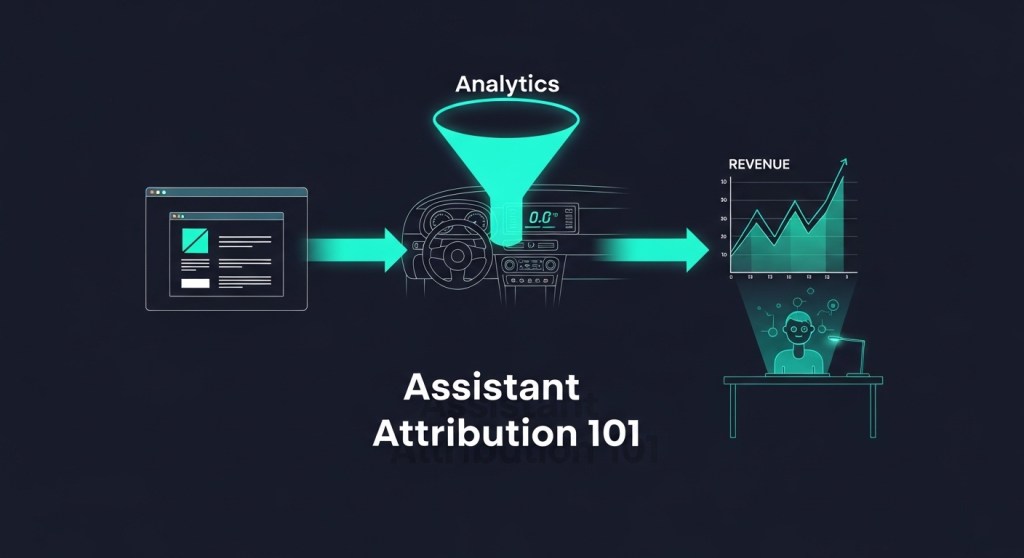
    • Instrument everything: impressions → attempts → completions → revenue. Push events to your CDP/analytics with a distinct channel = “alexa_plus”.
    • Add a short in‑flow survey (3 emojis) after completion to capture CSAT without friction.

    Day 7 — Iterate, then expand

    • Promote the two flows with the highest completion rate.
    • Add one cross‑sell (“People who reorder shampoo also add conditioner—10% off today”).
    • Local services: connect Ring Greetings to “Leave with concierge/front desk” instructions and capture failed deliveries.

    Playbook patterns you can copy

    Retail/DTC (Square)

    Prompt: “Reorder the last size M black t‑shirt to 94107.”

    Flow: identify → confirm SKU/qty → pay link → receipt → track shipment.

    KPI: reorder conversion ≥ 35%, pay‑link success ≥ 90%.

    Local services (Yelp/Angi)

    Prompt: “Book a 60‑min deep clean with the same crew next Friday.”
    Flow: fetch availability → confirm date/time → deposit via Square → confirmation SMS + reschedule link.

    KPI: first‑contact resolution ≥ 70%, no‑show rate ↓ 15%.

    Travel (Expedia)

    Prompt: “Pet‑friendly hotel under $200 near Wrigley, 2 adults, 1 night.”
    Flow: constrained search → top 3 options → confirm → book → policy recap.

    KPI: search‑to‑booking ≥ 12%, cancellation rate within normal variance.

    Compliance, privacy, and platform risk

    • Data minimization: Keep PII/PCI out of model context. Use tokens and short‑lived links for payments.
    • Transparency: Read a one‑line disclosure before any transaction. Offer easy deletion and a “don’t remember” path.
    • Channel hedging: WhatsApp’s general‑purpose chatbot policy is in flux; keep support bots compliant and shift assistant‑style experiences to Alexa+/web for now. Our guide. For the bigger distribution picture, see: Assistants are the new app store and Google’s delay recap here. Also watch in‑car surfaces: Waymo x Gemini.

    Benchmark checklist (copy/paste)

    • Completion rate ≥ 60% on first flow
    • Payment link success ≥ 90%
    • AHT ≤ 2m 30s
    • Hallucination incidents = 0 in last 500 sessions
    • CSAT ≥ 4.3/5
    • Opt‑out rate ≤ 5%

    Roadmap: what to add next

    • Personalization: allow users to name bundles (“Game‑day kit”) and reorder by name.
    • Loyalty: show point balance, add points on completion, and support reward redemption via voice.
    • Proactive: opt‑in back‑in‑stock alerts and subscription skips via Alexa+.

    Common pitfalls (and quick fixes)

    • Too many choices: Cap to 3 options per turn. Offer “more like .”
    • Inventory drift: Time‑stamp every answer and re‑validate before payment.
    • Payment drop‑offs: Short URLs, one‑tap wallets, confirmation within the same session.
    • Vague confirmations: Always repeat totals, dates, and addresses before committing.

    Founder takeaway: Treat Alexa+ like a new storefront. Launch one tight flow, measure it ruthlessly, then expand.

    Need help? HireNinja builds production‑grade AI agents and assistant flows for voice, chat, and in‑car. Book a free scoping call at www.hireninja.com (you can also reach us at wwww.hireninja.com).

    Related reading on this blog:

    Published: December 29, 2025

  • The 2026 Assistant Channel Map: WhatsApp, Alexa+, Android Auto and In‑Car — Where Founders Should Ship in January

    The 2026 Assistant Channel Map: WhatsApp, Alexa+, Android Auto and In‑Car — Where Founders Should Ship in January

    Updated December 29, 2025 · Reading time: ~9 minutes

    WhatsApp’s policy fight, Alexa+’s new integrations, and Waymo–Gemini tests signal a new distribution era. Below is a pragmatic, compliance‑first shipping plan for founders.

    What changed this week (and why it matters)

    • Messaging: Italy’s competition authority ordered Meta to suspend WhatsApp terms that would block third‑party AI chatbots, keeping the door ajar while the investigation proceeds. Source. WhatsApp’s October policy still targets general‑purpose chatbots; customer‑support automations remain allowed. Policy context.
    • Voice/Home: Amazon expanded Alexa+ with new integrations (Angi, Expedia, Square, Yelp) rolling into 2026, pushing assistant‑led bookings and commerce. Source.
    • Car: Waymo is testing a Gemini in‑car assistant experience for riders, and Google’s Gemini continues rolling into Android Auto. Waymo–Gemini · Android Auto.

    Translation: Assistants are a real distribution channel for 2026, but rules, UX, and analytics differ by surface. Founders who ship focused flows with clear guardrails will harvest outsized early ROI.

    Choose your surfaces (don’t boil the ocean)

    Pick two channels to start in January, based on your motion:

    • E‑commerce/Direct‑to‑Consumer: WhatsApp support + Alexa+ commerce prompts.
    • B2B SaaS: WhatsApp success automation + Android Auto/Gemini “drive‑time briefs” (for field roles) or a lightweight email‑assistant brief.
    • Consumer Apps/Local: Alexa+ bookings + WhatsApp post‑purchase support.

    A 14‑day shipping plan you can actually finish

    1. Days 1–2 — Define one job‑to‑be‑done per surface
      Examples: “Where is my order?”, “Book a pet‑friendly hotel in Chicago”, “Reorder last purchase”, “Schedule a return pickup”. Keep it transactional and measureable.
    2. Day 3 — Draft guardrails
      Create a one‑pager: allowed intents, blocked intents, data handling, escalation policy, and human‑handoff rules. Include precise language for refunds, cancellations, and authentication.
    3. Days 4–5 — Ship a compliant WhatsApp support flow
      Design a menu‑first conversation: order lookup → status → resolution; returns → policy → label; product Q&A → top 20 SKUs → PDP links. Avoid open‑ended chat. See our step‑by‑step guide: WhatsApp compliance playbook.
    4. Days 6–7 — Create an Alexa+ MVP
      Define 3 intents that map to revenue or retention (e.g., “Find 3 boutiques near me with curbside pickup”, “Track order 1234”, “Book a 2‑night stay with dog‑friendly filter”). Keep responses short, action‑oriented, with deep links to your mobile web/app checkout.
    5. Days 8–9 — Prep for car surfaces
      Even if you won’t have a native in‑car app, support drive‑time queries via links and safe, short prompts. Add “concise” variants for on‑the‑go. Ensure pages are glanceable and voice‑navigable. Track UTM assistant=androidauto.
    6. Day 10 — Add answer pages and policy stubs
      Publish /answers/ for your top 5 questions with TL;DR bullets and FAQ schema. Add a public AI Use & Licensing page to boost trust and citations.
    7. Day 11 — Instrument analytics
      Standardize UTMs: utm_source=assistant, utm_medium=whatsapp|alexa|androidauto, utm_campaign=intent_name. Log session_id, intent, resolution, escalation, CSAT, and revenue attribution.
    8. Day 12 — Red‑team and evaluate
      Run 100 scripted test cases. Score intent detection, policy adherence, and edge‑case responses. Document known limits.
    9. Day 13 — Rollout safely
      Gate by geography, hours, and cohort. Start with staff and existing customers; expand based on KPIs.
    10. Day 14 — Review and iterate
      Ship micro‑improvements: copy tweaks, top‑missed intents, and faster handoffs.

    KPIs: what to measure by surface

    WhatsApp (Support)

    • Resolution rate (self‑serve): Target 55–70% for top intents.
    • First‑contact resolution (FCR): >75% on WISMO, returns, cancellations.
    • Average handle time (AHT): Under 90 seconds for tier‑1 flows.
    • CSAT after closure: ≥4.3/5 with a 15%+ response rate.

    Alexa+ (Commerce/Local)

    • Intent→Action rate: % of queries that trigger a booking/cart action.
    • Deep‑link CTR: Aim ≥35% when the answer includes a clear next step.
    • Assistant‑attributed revenue: Use last‑touch plus a 7‑day lookback.

    Android Auto / In‑Car

    • Session completion without follow‑up: Clear, single‑turn answers.
    • Glanceability score: Words on screen; time‑to‑first‑action.
    • Safety proxy: No multi‑step inputs; avoid free‑form text.

    Compliance and guardrails, in plain English

    WhatsApp, post‑ban headlines

    Even with the Italian order, WhatsApp’s policy distinguishes between general‑purpose chatbots (restricted) and business support automations (allowed). Design for the latter:

    • Use menu‑driven flows with clear consent and data minimization.
    • Authenticate only when necessary (masked status first; IDN after consent).
    • Publish your refund/return and data‑use policies, link them in‑flow.
    • Always provide a human handoff path (hours, SLA, and channel).

    Deep dive: What’s Allowed + How‑To and the legal context: 30‑Day Survival Plan.

    Alexa+

    • Prefer constrained intents and short responses; include a clear next action.
    • Limit PII; avoid collecting payment in‑flow if not required by the integration.
    • Provide an accessible opt‑out and a human follow‑up option.

    Car & Android Auto

    • Design for zero‑scroll answers and one‑tap follow‑ups.
    • Prohibit free‑form text while driving; rely on voice and safe presets.
    • No high‑risk automations (e.g., refunds) while in motion; defer with a link‑to‑finish later.

    Assistant SEO: earn citations, not just clicks

    Assistants prefer structured, sourceable answers. Create:

    • A dedicated /answers/ hub with TL;DR bullets, FAQ schema, and concise policy snippets.
    • Short, canonical how‑to pages for your top tasks (returns, booking, warranty, pricing).
    • Clear bylines, dates, and update notes on news pages to increase trust.

    Start here: Assistants are the new app store.

    Example flows you can copy

    E‑commerce

    1. WhatsApp: “Track my order” → phone or order# → masked status → carrier link → ask: “Resolve anything else?”
    2. Alexa+: “Find size 8 waterproof boots under $120 near me” → 3 options → deep link to PDP with pickup window.
    3. Car: “Nearest pickup point that’s open till 9pm” → one card + directions, no extra steps.

    B2B SaaS

    1. WhatsApp: “Reset my SSO” → identity check → one‑tap email link → confirmation.
    2. Alexa+: “Schedule a 30‑min onboarding next week” → 3 time slots → calendar link.
    3. Email brief: Daily “Your Day Ahead” summarizing tickets, NPS, and renewals at risk.

    Analytics, taxonomy, and UTMs (copy/paste)

    event: assistant_intent
    props: {
      assistant_surface: "whatsapp|alexa|androidauto|email",
      intent: "track_order|book_hotel|return_item|schedule_demo|...",
      session_id: uuid,
      authenticated: true|false,
      resolved: true|false,
      escalation_channel: "human_chat|ticket|phone",
      revenue: number,
      csat: 1..5
    }
    UTM: ?utm_source=assistant&utm_medium=whatsapp&utm_campaign=track_order
        

    Tools to ship faster

    • HireNinja to generate FAQs, publish policies, wire analytics, and run guardrailed flows without heavy engineering.
    • Compare plans and tokens on our pricing page; browse available “Ninjas” here.

    Want the deeper strategy?

    Bottom line

    Ship two assistant surfaces in January, prove value with tight KPIs, and expand. Keep flows narrow, compliant, and measurable. The distribution window is open—early movers will set the benchmark for 2026.

    Try HireNinja: Launch guardrailed assistant flows, add answer pages, and wire analytics in days—not months. Get started · See pricing

  • Assistant Distribution Just Flipped: WhatsApp’s Ruling, Waymo–Gemini, and Google’s Remedy — What Founders Should Ship in January 2026

    Assistant Distribution Just Flipped: WhatsApp’s Ruling, Waymo–Gemini, and Google’s Remedy — What Founders Should Ship in January 2026

    Updated: December 28, 2025 • Reading time: 7 minutes

    TL;DR: Three late‑December moves reset assistant distribution for 2026. Italy ordered Meta to suspend WhatsApp terms that would block rival AI chatbots. Waymo is testing a Gemini in‑car assistant. And Google’s antitrust proposal signals it won’t force Gemini on partners. If you sell software or ecommerce, your January plan should cover chat (WhatsApp support and opt‑in assistants), car (Android Auto & ride assistants), and phone (Gemini/Assistant, Siri). This post gives you a focused 14‑day launch plan, guardrails, and KPIs.

    What changed this week — and why it matters

    • WhatsApp policy shock, then a reprieve: Italy’s competition authority (AGCM) ordered Meta to suspend terms that would exclude competing AI chatbots from WhatsApp’s Business API in Italy. That narrows the immediate risk window for third‑party assistants while scrutiny continues. See details and context in our explainer: What’s Allowed and How to Build a Compliant Support Bot and our 30‑day survival plan: Legal Roadblock Playbook.
    • Cars become a real surface: Waymo is testing a Gemini‑powered in‑car ride assistant. That’s a clear signal that embedded assistants will meet customers in transit, not just on phones. Background: In‑Car AI Assistants Are Next.
    • Google’s antitrust proposal: Google indicated it wouldn’t require partners to promote Gemini to distribute core products, reducing lock‑in concerns for OEMs, automakers, and carriers. Our analysis: How This Reshapes Assistant Distribution.
    • Timing matters: Google also delayed the full Assistant→Gemini switch on Android into 2026. That gives founders a short runway to prepare distribution and reliability. Read: 10 Moves Before Assistants Become a Primary Channel.

    The 14‑day launch plan (Chat • Car • Phone)

    Days 1–3: Lock down policy‑safe chat on WhatsApp

    1. Segment use cases: Separate customer support automation from general assistant experiences. The former remains allowed under WhatsApp’s rules; the latter is fluid by region. Use our compliant flows and guardrails: support bot blueprint.
    2. Add explicit consent & routing: Capture opt‑in, show capability cards, and route anything ambiguous to human handoff. Track first‑response time, containment, and handoff success.
    3. Stand up a shared knowledge layer: Centralize policies, product data, and tone so your web, email, and WhatsApp bots stay consistent.

    Days 4–7: Ship an assistant touchpoint in the car

    1. Android Auto quick win: Publish a voice‑first flow for order status, store hours, and high‑intent FAQs via Android Auto actions. Keep phrasing 1–2 sentences; avoid long‑form chats while driving.
    2. Ride‑assistant preview: If your market overlaps with Waymo cities, design a ride‑mode that keeps answers ultra‑succinct, avoids driving commentary, and controls only safe cabin functions (music, climate presets). See our embedded checklist: 7‑step plan.
    3. Reliability gates: Implement evaluation harnesses and rollout guardrails before exposure. Borrow from our playbook: AI agent reliability.

    Days 8–14: Prepare for phone‑level shifts (Gemini/Assistant, Siri)

    1. Endpoint neutrality: Abstract your assistant to run across Gemini, Siri Shortcuts, and web widgets. Don’t hard‑code a single model or channel.
    2. Distribution insurance: Given the antitrust backdrop, avoid exclusive dependencies. Maintain parallel entry points on mobile web and email. Our quick primer: Assistants Are the New App Store.
    3. Pricing and metering: Add usage tiers and credit models so retail and B2B users can predict costs as assistant sessions grow.

    Compliance & governance (fast but safe)

    Regulatory posture shifted on December 11, 2025 in the U.S., and EU/Italy are testing remedies on distribution. Keep your surface area safe with a lightweight but real program:

    • Data boundaries: Separate PII, payment data, and model prompts. Log only what you need. Redact by default.
    • Transparency: Display model identity, confidence, and handoff options on first interaction.
    • Model choice register: Track which models and providers power each flow and why (latency, cost, capability).
    • Incident drills: Run red‑team prompts and live‑ops rehearals monthly. Document user‑visible mitigations.

    Use this companion guide for a 30‑day compliance sprint: U.S. AI rules: your 30‑day plan.

    Reference architecture that scales

    • Orchestrator layer: Policy engine → tool access → evaluation harness.
    • Channels: WhatsApp (support workflows), Android Auto voice intents, web widget, email reply‑assist.
    • Knowledge: Product catalog, order system, policies, brand tone — served via retrieval API with caching.
    • Observability: Session tracing, redaction logs, human review queue, offline evals.
    • Fail‑safes: Rate limits, timeouts, human‑in‑the‑loop, and graceful degradation to help articles.

    KPIs that predict revenue (watch these weekly)

    • WhatsApp support: First‑response time, containment rate, CSAT, refund/discount rate, human handoff acceptance.
    • In‑car/Android Auto: Intent success, dropout before resolution, average turns per session, safety flags.
    • Phone assistants: Activation rate (first‑run), repeat activation (day‑7), session cost per resolved task.
    • Cross‑channel: Knowledge answer match rate, top broken intents, eval pass rate by model.

    Risks and how to derisk them

    • Policy whiplash: Treat WhatsApp general assistants as region‑gated pilots with clear consent. Keep support flows separate and compliant.
    • Reliability: Gate launches behind offline evals and small‑% canaries. See our reliability playbook: don’t let LLMs break your product.
    • Vendor lock‑in: Keep a dual‑vendor model strategy and avoid channel exclusivity. Our licensing notes: AI licensing playbook.

    The bottom line

    The distribution map just expanded from web and phone to chat + car + phone. If you move now, you can own high‑intent moments across support, ride time, and on‑the‑go tasks — with compliance and reliability baked in.

    Build it fast with HireNinja:
    Launch compliant support bots on WhatsApp
    Publish Android Auto voice flows
    Ship embedded assistant pilots.

    Prefer a guided build? Start with our 7‑day plan and book a working session.

  • WhatsApp AI Chatbot Ban: What’s Allowed and How to Build a Compliant Support Bot (Flows, Guardrails, KPIs)

    Updated December 28, 2025

    WhatsApp AI Chatbot Ban: What’s Allowed and How to Build a Compliant Support Bot (Flows, Guardrails, KPIs)

    • What the policy bans vs. what it still allows for businesses
    • A 7‑step, one‑week rollout to stay compliant and live
    • Proven conversation flows, prompts, and escalation rules
    • What not to do (and why)
    • Regional notes (US, EU, India, Brazil) and channel backups

    WhatsApp’s new Business API policy bans distribution of general‑purpose AI chatbots via WhatsApp. But it does not ban businesses from using AI to serve their own customers. In Europe, regulators have already moved: on December 24, 2025, Italy’s competition authority ordered Meta to suspend the ban while it investigates, and the European Commission opened a separate probe earlier in December. Regardless of how appeals play out, founders and e‑commerce teams need a compliant plan now.

    Below is a tactical, shipping‑ready guide that keeps your support running on WhatsApp—without crossing the line—and gives you backups across Instagram DMs, SMS/RCS, and web chat.

    1) First, know the line: what’s banned vs. allowed

    Banned (policy targeting distribution): general‑purpose assistants (e.g., ChatGPT‑like bots) offered to the public on WhatsApp via Business API. See coverage of WhatsApp’s policy change (Oct 18, 2025) and subsequent enforcement timelines (e.g., third‑party exits by mid‑January 2026).

    Allowed (business use): task‑specific customer service, order status, returns, FAQs, and similar incidental AI usage inside your own business account serving your own customers. That’s the path to stay live and compliant.

    Helpful background reading:

    2) Ship a compliant bot in 7 days

    1. Scoping (Day 1): restrict goals to customer support and post‑purchase ops: order lookup, returns/exchanges, shipping ETA, store policies, warranties, store hours, and human handoff. No general Q&A. No open web browsing.
    2. Templates & Opt‑ins (Day 1–2): use approved message templates for notifications (utility, support). Collect explicit opt‑ins where required. Add a first‑message disclosure: “AI‑assisted support; sensitive questions go to a human.”
    3. Grounded answers (Day 2–3): answer only from your docs, SKUs, and order data. Block out‑of‑scope questions (“I’m here for your order and returns; I can connect you to a human for anything else.”)
    4. Guardrails (Day 3): intent classification → safe tools only → escalation. Limit memory, block free‑text tool use, cap response length, and require user confirmation for changes to orders or refunds.
    5. Human handoff (Day 3–4): define triggers: repeated failures, policy questions, payment disputes, VIP orders, any PII beyond last‑4 identifiers. Include staff SLA in hours of operation.
    6. QA & Reliability (Day 4–5): run a checklist: 100 scripted paths + 50 adversarial prompts; log handoffs; verify links, SKU IDs, taxes, and shipping rules. See our AI reliability playbook.
    7. Go‑live & monitor (Day 6–7): set dashboards for containment rate, CSAT, time‑to‑first‑response, refund error rate, and human handoff time. Adjust weekly.

    3) Conversation patterns that pass compliance

    Pattern A — “Triage → Verify → Answer” (Order status)

    User: “Where’s my order?”
    Bot: “I can help with order status. Please share your order number or the email used at checkout.” → Verify last‑4 phone or zip → Return status + ETA + one‑tap tracking link.

    Pattern B — “Policy lookup → Choice → Confirmation” (Returns)

    Retrieve policy from your internal knowledge base only; no free‑form policy generation. Offer choices (refund, exchange, store credit), then confirm address and label generation. Always log the action and send a summary.

    Pattern C — “Deflect general chat → Handoff”

    For anything outside your catalog, orders, or policies: “I’m focused on your purchase and account. I can connect you to a human if you’d like more help.”

    4) What not to do

    • Do not distribute a general‑purpose assistant on WhatsApp (that’s the target of the ban).
    • Do not answer from the open web; stick to your verified content and order data.
    • Do not perform actions (refunds, address changes) without explicit user confirmation and audit trail.
    • Do not retain free‑form memory of customers in WhatsApp beyond what’s required for the ticket.
    • Do not skip human escalation paths for edge cases.

    5) Metrics that matter (set these before go‑live)

    • Containment rate: % of tickets resolved without human help (target: 55–75% for mature FAQs).
    • CSAT (per interaction): 1–5 post‑chat tap; slice by intent and handoff.
    • First‑response time: aim < 5s; alert if > 15s.
    • Refund/adjustment error rate: aim < 0.2% and investigate every incident.
    • Escalation time: bot → human in < 2 minutes during staffed hours.

    6) Regional notes and channel backups

    • EU: Enforcement is in flux (see Italy’s suspension order and the EU probe). Run a compliant support bot on WhatsApp; prepare Instagram DMs and Messenger as quick backups. Keep privacy notices tight.
    • US, India, Brazil: Same rule of thumb: support‑only on WhatsApp. Also stand up SMS/RCS and web chat for redundancy. If you rely on third‑party assistants in WhatsApp, expect changes by mid‑January 2026.

    For a broader channel strategy across assistants (Alexa+, Gemini in‑car, email/chat), see Assistants Are the New App Store and our Assistant SEO playbook.

    7) A simple, compliant architecture

    1. Entry: WhatsApp Business number + approved templates.
    2. Router: intent classifier limited to support intents (orders, returns, store policy, account changes).
    3. Knowledge: read‑only KB of policies + product data; no open web retrieval.
    4. Tools: order lookup, RMA creation, label generation; all require user confirmation.
    5. Handoff: live agent inbox with transcript and context.
    6. Logging: immutable audit logs for actions and refunds.

    Implement faster with HireNinja

    • HireNinja Customer Support can stand up a support‑only WhatsApp bot with grounded answers, human handoff, and audit logs. Start here: hireninja.com
    • Compare plans and tokens: HireNinja Pricing
    • If you’re migrating off a general‑purpose bot, use our 30‑Day Survival Plan.

    The takeaway

    WhatsApp’s new rules are designed to stop distribution of general‑purpose AI assistants—not to block legitimate, scoped customer support. Keep your bot laser‑focused on support tasks, ground every answer in your own data, log actions, and escalate when in doubt. If you need a compliant build in days, not weeks, HireNinja can help.


    Call to action: Ready to deploy a compliant WhatsApp support bot? Try HireNinja or pick a plan and we’ll set it up for you.

  • WhatsApp’s AI Chatbot Ban Meets a Legal Roadblock — Your 30‑Day Survival Plan

    WhatsApp’s AI Chatbot Ban Meets a Legal Roadblock — Your 30‑Day Survival Plan

    Published: December 27, 2025

    Startups and e‑commerce teams have relied on WhatsApp for conversational support and growth. In October, Meta updated WhatsApp Business API terms to ban general‑purpose AI chatbots effective January 15, 2026. On December 24, 2025, Italy’s competition authority ordered Meta to suspend the terms that would restrict rival AI assistants on WhatsApp, pending review (Reuters). What should founders do now?

    TL;DR

    • The October policy change (effective Jan 15, 2026) threatens WhatsApp as a distribution channel for third‑party AI assistants.
    • Italy’s Dec 24 order creates uncertainty — not a full global reversal yet — so you need contingency plans and quick wins.
    • Prioritize support continuity, diversify channels, and harden your data governance to stay compliant across markets.

    Why this matters for 2026

    Assistant distribution is fragmenting. Google is pushing Gemini across surfaces — from Android Auto to in‑car pilots with Waymo (TechCrunch). OpenAI is tweaking ChatGPT distribution and defaults (Wired). If WhatsApp becomes Meta‑AI‑only in some markets, your growth and support funnels must shift — fast.

    We’ve been tracking this new “assistants are the new app store” reality for weeks. If you missed it, read our 7‑day plan for assistant‑led growth here and our Assistant SEO playbook for 2026 here.

    What exactly changed on WhatsApp?

    Meta’s new WhatsApp Business API terms prohibit third‑party, general‑purpose AI chatbots from operating on WhatsApp beginning January 15, 2026. Business‑specific automations (e.g., a retailer’s order‑status bot) are allowed, but a standalone assistant from an AI model provider is not. Italy’s antitrust authority ordered a suspension of the restrictive terms in Italy while it investigates, but global outcomes may vary as other regulators weigh in.

    Translation for founders: plan for regional differences and avoid single‑channel risk.

    Your 30‑day survival plan

    Week 1 — Triage and compliance

    1. Inventory your WhatsApp usage. Separate business‑specific support flows (order status, returns, FAQs) from any general‑purpose assistant behavior. The former is likely safe; the latter is at risk.
    2. Enable graceful fallback. If a feature becomes restricted in one market, auto‑route users to an allowed path: human handoff, web chat, SMS, email, or in‑app chat.
    3. Update disclosures. Refresh user notices on data handling and model providers. Align with evolving regulations. If you need a starter checklist, see our U.S. compliance guide here.

    Week 2 — Channel diversification

    1. Double down on Instagram DMs and Messenger. Build journeys for pre‑purchase Q&A, order lookups, and re‑engagement with AI‑assisted, policy‑compliant automations.
    2. Add owned channels you control. Deploy a website chat widget and in‑app messaging for logged‑in users. Pair with proactive, opt‑in email for order updates and back‑in‑stock alerts.
    3. Prepare for voice and in‑car assistants. Start small: a trusted FAQ skill and a “where’s my order” workflow designed for hands‑free contexts, anticipating assistant distribution via cars and mobile projection.

    Week 3 — CX hardening and measurement

    1. Instrument every path. Track containment rate, first‑response time, resolution time, CSAT, and deflection to human for each channel.
    2. Run red‑team tests on prompts and tools. Ensure your AI stays within scope (no unsanctioned purchases, no privacy leaks). Build fail‑safes for ambiguous intents.
    3. Localize policies. Mirror policy and feature toggles by country/region so you can switch behavior without code redeploys.

    Week 4 — Growth and continuity

    1. Stand up an Assistant SEO plan. Optimize product content, policies, and FAQs so assistants like ChatGPT, Meta AI, and Gemini surface your answers with attribution. Here’s our field guide to get started.
    2. Offer choice and consent. Let users pick their preferred channel. Make switching frictionless: deep links from WhatsApp to web chat, email, or Instagram when needed.
    3. Document your risk posture. Keep a one‑pager per channel listing allowed intents, blocked intents, human‑handoff rules, logging, and retention. Investors and partners will ask.

    Architecture that survives platform swings

    Design your assistant layer to be channel‑agnostic and policy‑aware:

    • One brain, many mouths. Centralize core reasoning, tools, and guardrails; expose only channel‑appropriate actions per platform policy.
    • Feature flags by market. Gate high‑risk intents per region so you can react to rulings like Italy’s without code churn.
    • Human in the loop. Provide agent dashboard controls for takeover, refunds, appeasements, and escalations.

    Need help operationalizing this? HireNinja provides AI agents for support and growth with built‑in guardrails, analytics, and multi‑channel connectors. See plans on our Pricing page.

    Messaging do’s and don’ts for 2026

    • Do keep WhatsApp for transactional updates and customer‑specific flows.
    • Do offer alternative channels for general Q&A assistants when necessary.
    • Don’t rely on a single channel or a single model provider for core support KPIs.
    • Don’t allow your bot to wander into general assistant territory where policies disallow it.

    What to watch next

    • Regulatory dominoes. Other EU regulators may follow Italy’s lead — or diverge. Track updates and be ready to geofence behavior.
    • Assistant car/home surfaces. With Gemini in Android Auto and pilots in vehicles, commerce use cases will move into voice‑first contexts.
    • Routing and defaults. Platform changes (e.g., OpenAI’s router adjustments) can shift performance and costs overnight. Monitor usage, not just headlines.

    Founder checklist (print this)

    • Map every customer intent to at least two channels.
    • Turn on per‑country feature flags and logging.
    • Pre‑write customer notices for channel changes and handoffs.
    • Set weekly reviews of containment, CSAT, and escalations by channel.
    • Document your lawful bases and retention across all surfaces.

    Move fast, but don’t break your support

    WhatsApp’s policy shift and Italy’s pushback are reminders that assistant distribution is a moving target. If you build channel‑agnostic AI with crisp guardrails and clear fallbacks, you’ll keep service stable while competitors scramble.

    Next step: Spin up a compliant, multi‑channel support agent with HireNinja in under a day — then tune it for Assistant SEO and 2026‑ready growth.

  • Google’s Antitrust Proposal on Gemini Could Reshape Assistant Distribution in 2026 — A 10‑Step Plan for Founders

    Google’s Antitrust Proposal on Gemini Could Reshape Assistant Distribution in 2026 — A 10‑Step Plan for Founders

    Assistant distribution is about to look a lot more like an app store. This month, Google told a U.S. court it won’t require partners to promote or preload Gemini to distribute core Google services — and won’t block partners from working with rival assistants. If accepted, that would loosen the rails on how assistants get bundled across phones, cars, TVs, and browsers in 2026. citeturn2search5

    Why it matters: assistants are moving into Chrome, Android Auto, and vehicles — and the winners will be the startups that show up early with reliable agent actions, measurable outcomes, and partner‑friendly licensing terms. citeturn2news13turn2search7turn0search2

    TL;DR

    • Google’s proposal (if adopted) reduces the risk of exclusive Gemini bundles; OEMs and carriers get more freedom to ship alternatives. citeturn2search5
    • Gemini is rolling into Chrome and Android Auto; automakers like GM plan Gemini‑powered assistants in 2026. Distribution surfaces are multiplying. citeturn2news13turn2search7turn0search2
    • Security is a board‑level issue: researchers hijacked Gemini via a poisoned calendar invite to trigger smart‑home actions. Guardrails aren’t optional. citeturn2search8
    • Founders should negotiate assistant deals, ship actions, and measure assistant SEO now. See our playbooks linked below.

    What Google’s filing signals

    In its proposed antitrust remedy, Google says partners wouldn’t be forced to promote Gemini to access Search, Chrome, or Google Play — and partners could also work with rival AI assistants like OpenAI’s ChatGPT or Meta AI. Practically, this widens the lane for OEMs, carriers, and platforms to test multiple assistants and negotiate non‑exclusive distribution. citeturn2search5

    Pair that with Google’s recent Chrome integration and Android Auto rollout, and you get a 2026 in which assistants sit on the browser bar, the car dash, and your phone’s long‑press. Expect more default prompts that trigger agent actions rather than web links. citeturn2news13turn2search7

    Trend lines founders can’t ignore

    • Chrome becomes assistant‑native. A Gemini button in Chrome is already mainstreaming AI browsing — a new query surface you can’t control with classic SEO alone. citeturn2news13
    • Cars become purchase funnels. Android Auto is gaining Gemini (with natural dialogue and Gemini Live), and GM says Gemini‑powered assistants arrive in 2026. In‑car queries will convert with voice, not clicks. citeturn2search7turn0search2
    • Research‑grade agents graduate to product. Google’s Deep Research agent points to long‑running, goal‑driven tasks (due diligence, analysis) that your product can tap via APIs. citeturn0search1
    • Security gaps are real. Prompt‑injection via calendar/email subjects was enough to make Gemini attempt smart‑home actions in tests. Your agents need isolation, input sanitization, and human‑in‑the‑loop policies. citeturn2search8
    • Assistants are replacing legacy surfaces, but timing varies. Some Android and smart‑home rollouts slip to 2026 even as Chrome/Auto expand in waves. Plan for staggered adoption — not a single “flip.” citeturn2search0turn2search7

    What this means for your 2026 roadmap

    Non‑exclusive assistant distribution means more buyers at the table: OEMs, carriers, browser teams, auto OS vendors, and app platforms. To win these slots, your AI needs to be reliable, auditable, and measurable — and your contracts need to make partners comfortable on risk, rights, and revenue share.

    Your 10‑step founder plan

    1. Map your assistant surfaces. List where your customers will talk to agents in 2026: Chrome, Android Auto, cars with Google Built‑in, smart home, and mobile. Prioritize by revenue potential and partner friction. citeturn2news13turn2search7
    2. Ship one revenue‑grade action per surface. Start with a single high‑value flow (e.g., reorder, book, pay, schedule). Keep it deterministic, with clear parameters and user confirmation. If you sell online, build conversational checkout first. See our Assistant Checkout tutorial.
    3. Negotiate non‑exclusive licensing now. Use the antitrust momentum to push for: (a) non‑exclusivity, (b) action placement guarantees, (c) attribution/analytics access, and (d) termination safety for policy shifts. Start with our AI Licensing Playbook.
    4. Harden reliability and guardrails. Enforce tool‑use policies, rate‑limit side effects, add sandboxed test environments, and instrument step‑level traces. If it can touch money, devices, or data, it gets human‑in‑the‑loop. Our reliability playbook has a checklist. citeturn2search8
    5. Optimize for Assistant SEO (A‑SEO). Publish action‑friendly pages with structured, verifiable answers; add FAQs that map to intents; provide citations; and supply agent‑consumable JSON. Then measure assistant referrals. Start here: Assistant SEO in 2026.
    6. Target the car as a new conversion funnel. Build flows that complete while driving: reorder, status updates, support triage, store directions, and in‑route booking. Voice‑first UX beats screens here. citeturn2search7turn0search2
    7. Plan for staggered rollouts. Android, Auto, and smart‑home timelines won’t land on the same day. Use progressive enhancement: show assistant entry points when available; gracefully fall back when not. For context, see our coverage of the Android Gemini delay. citeturn2search7
    8. Instrument everything. Track assistant‑origin sessions, tool success/failure, manual overrides, and user sentiment. Report by surface (browser, car, phone, home) and by partner.
    9. Stay compliant. Keep model cards, data‑flow diagrams, DPIAs, and opt‑out paths ready for partners and regulators. Tie actions to auditable logs, not just chat transcripts.
    10. Run a 30/60/90‑day partner sprint.
      • 30 days: one revenue action in staging; draft non‑exclusive term sheet; security review.
      • 60 days: pilot live with one assistant surface; add A‑SEO pages; start attribution.
      • 90 days: roll to a second surface (e.g., Auto → Chrome); negotiate placement and co‑marketing.

    E‑commerce example: from search click to voice reorder

    Today, a customer Googles your brand, clicks a link, and checks out. In 2026, they’ll say in the car, “Reorder last month’s dog food for pickup at the nearest store” — and your action responds with a confirmation, pickup time, and receipt. No browser tab required. If you haven’t built conversational checkout yet, start with our 60‑minute guide for Shopify/Etsy. Read the tutorial.

    Related reading from HireNinja

    Bottom line

    If regulators adopt Google’s proposal, 2026 will favor non‑exclusive assistant deals and the teams who show measurable value on every surface — browser, car, phone, and home. The distribution game is starting now; you don’t need to wait for a single global “flip” to land. citeturn2search5turn2news13turn2search7


    Get help fast: HireNinja can scope, build, and harden your first revenue‑grade assistant action in weeks — from tool schemas and safety to analytics and partner pilots. Talk to our team and ship before your competitors do.

  • Google Delays the Gemini Takeover on Android: 10 Moves Founders Should Make Before Assistants Become a Primary Channel in 2026

    Editor’s checklist

    • Scan late‑December assistant news across TechCrunch, The Verge, and Android/auto ecosystems.
    • Define how the Gemini delay affects founders’ Q1–Q2 2026 roadmaps.
    • Map near‑term distribution: Android, Alexa+, in‑car assistants.
    • Codify a 10‑step plan for growth, compliance, and measurement.
    • Link to deeper playbooks and tutorials from this blog.

    What changed (and why it matters)

    Google is extending its timeline to fully replace Google Assistant with Gemini on Android into 2026. That buys everyone a little time—but also signals something bigger: assistants are becoming a first‑class distribution surface across mobile, home, and in‑car.

    In the same week, Amazon expanded Alexa+ integrations (Square, Yelp, Expedia, Angi) while Waymo began testing a Gemini–powered in‑car ride assistant. For founders and e‑commerce operators, the takeaway is simple: even with Google’s delay, customers will increasingly ask assistants—on phones, speakers, and dashboards—to discover, compare, and buy. The winners in 2026 will have product data, policies, and workflows ready for assistant hand‑offs.

    Your 10‑move plan for Q1–Q2 2026

    1) Treat assistants as a new SEO channel

    Assistants parse entities, attributes, availability, and policies. Publish clean, comprehensive product and service data (pricing, inventory, shipping, returns, support SLAs) with up‑to‑date structured data. Start with Product, Offer, AggregateRating, FAQ, and LocalBusiness schema. Then audit how assistants summarize your pages using conversational queries.

    Deep dive: Assistant SEO in 2026 (7‑step founder playbook).

    2) Ship an assistant‑ready product catalog

    Standardize titles, attributes, and availability across channels. Add high‑signal attributes assistants love: materials, compatibility, sizing, bundle options, warranty, and clear return terms. Keep variants and price breaks synchronized via your PIM/Feed.

    3) Build an assistant checkout path (even if it starts outside your site)

    Customers will increasingly complete purchases via assistant flows. If your audience overlaps with ChatGPT shoppers or Alexa devices, prototype a low‑friction path now. You can also spin up a proof‑of‑concept shopping experience and measure intent before expanding.

    Tutorial: Build a ChatGPT Shopping App (60‑minute guide).

    4) Map Alexa+ opportunities to your business model

    Alexa+ is adding commerce‑adjacent integrations (e.g., Expedia, Square, Yelp, Angi). If you’re local services, hospitality, or retail with offline moments, design intents like: “book a consult,” “add to order,” “reschedule pickup,” or “find nearest service slot.” Ensure hours, location, and pricing are accurate across listings; train your team to handle assistant referrals.

    5) Prepare for in‑car discovery

    With Waymo testing Gemini in‑car and traditional OEMs shipping assistant features, think “drive‑time intents”: curbside pickup coordination, quick reorders, service appointments, and last‑mile support. Add short, speakable answers to common questions and ensure phone‑safe flows (tap‑to‑confirm, SMS links, or voice codes).

    6) Harden reliability before you scale recommendations

    Assistant traffic surges expose brittle systems. Add guardrails: safe defaults, price ceilings, stock checks, idempotent ordering, and policy constraints. Evaluate with user‑journey scripts and “shadow” runs. Roll out progressively by segment and geography.

    Playbook: Reliability Playbook for AI Agents.

    7) Watch policy shifts on WhatsApp and Meta surfaces

    Meta has moved to restrict general‑purpose chatbots on WhatsApp in early 2026, while allowing business‑specific support cases to continue. If you serve customers on WhatsApp, keep your bot focused on concrete support flows (order status, returns, appointments) with explicit opt‑ins, and avoid positioning it as a general assistant.

    8) Align data governance with new U.S. AI rules

    If you’re passing user data into assistant flows, keep data‑minimization and documentation tight. Record what’s shared, why it’s needed, and how you honor deletion. Build a one‑pager for legal and your vendors covering model providers, data retention, and incident response.

    Primer: U.S. AI Rules: Your 30‑Day Compliance Plan.

    9) Instrument assistant referrals like a first‑class channel

    Add UTM conventions for assistant sources (e.g., utm_source=assistant&utm_medium=alexa|gemini|chatgpt&utm_campaign=assistant_referrals). Track: queries answered, hand‑off rate to web/app, cart creation, AOV, and CX outcomes. Build a weekly dashboard to spot which intents convert and where drop‑offs occur.

    10) Staff the flywheel with AI agents—not headcount

    Use agents for feed hygiene, listing syncs, reviews/Q&A triage, and conversational QA testing. Start with one or two high‑ROI automations and expand. This is the fastest path to keep up with assistant distribution without ballooning payroll.

    Need a shortcut? Try HireNinja’s AI agents for catalog ops, assistant QA, and customer support automation.

    Founder FAQ

    Does the Gemini delay change my roadmap?

    It creates breathing room, not a pass. Assistants are already routing demand (Alexa+ in the living room, Gemini experiments in the car). Use Q1 to ship data quality, guardrails, and measurement. Aim to run your first assistant acquisition test early Q2.

    What if my customers aren’t on Android?

    Great—start with Alexa+ use cases or ChatGPT shopping pilots. The goal is assistant fluency, not platform dependency. Skills you build now (structured data, intent design, safe hand‑offs) translate across ecosystems.

    How do I avoid unreliable answers?

    Constrain assistants to high‑quality sources (your product data, policy pages, and FAQs). Keep answers short, cite policies, and prefer links with clear next steps (e.g., “view size chart” → PDP anchor). Add automated checks for price mismatch, out‑of‑stock, and restricted SKUs.

    Will WhatsApp still work for support?

    Yes, if you focus on customer‑specific support. Keep it scoped to your business, enforce consent, and don’t market a general chatbot. Build guardrails and escalation to human agents where needed.

    A 30‑day sprint you can start today

    1. Week 1: Fix the feed—normalize titles, attributes, variants, and return policy text; add Product/Offer/FAQ schema. Publish or update a canonical shipping/returns page.
    2. Week 2: Draft 10 “speakable” answers for top questions. Add a lightweight assistant checkout or Cart‑via‑Link experiment. Turn on UTM tracking for assistant traffic.
    3. Week 3: Reliability pass—add guardrails, test with adversarial prompts, and run shadow orders in staging. Start a WhatsApp support script with clear escalation.
    4. Week 4: Launch one Alexa+ intent and one Android/Gemini discovery test. Review conversion, CX, and ops logs. Prioritize the top 3 fixes and repeat.

    Need a head start? Our team uses AI agents to clean feeds, generate speakable answers, and run assistant QA on autopilot. Talk to HireNinja.

    Related reads to go deeper

    Bottom line

    The Gemini delay doesn’t slow the assistant future—it just gives you a window to get your house in order. Use the next 30 days to publish cleaner data, wire safe hand‑offs, and test one or two high‑intent assistant flows. When assistants finally become the default on Android and beyond, you won’t be scrambling—you’ll be converting.

    Ready to move faster? Put AI agents to work on your catalog, support, and assistant QA. Get started with HireNinja.

  • US AI Rules Just Shifted: What the December 2025 Executive Order Means for Startups and E‑Commerce (Your 30‑Day Compliance Plan)

    US AI Rules Just Shifted: What the December 2025 Executive Order Means for Startups and E‑Commerce (Your 30‑Day Compliance Plan)

    Published: December 26, 2025 · Estimated read time: 9 minutes

    TL;DR: On December 11, 2025, the White House signed a sweeping AI executive order that seeks to centralize U.S. AI policy and challenge conflicting state laws. Whether courts uphold broad preemption or not, founders should act now on “no‑regrets” compliance: data maps, vendor controls, risk tiers, disclosures, and audit‑ready logging. Meanwhile, distribution is tilting toward assistants—Amazon’s Alexa+ announced new commerce/service integrations and Waymo is testing an in‑car Gemini assistant—so compliance must travel with your growth channels.

    Why this matters now

    Two big forces converged in the last two weeks:

    • Federal push on AI policy. The December 11, 2025 executive order sets up a DOJ task force to challenge state AI laws that conflict with federal policy and directs Commerce to consider funding penalties for states with “onerous” AI rules. Litigation is likely, but the signal is clear: prepare for national frameworks and scrutiny.
    • Assistant distribution heats up. Amazon’s Alexa+ announced new integrations with Expedia, Yelp, Angi, and Square rolling out in 2026, and Waymo is testing Gemini as an in‑car assistant. Assistants are quickly becoming commerce and support surfaces. If you sell or support via these channels, your AI compliance has to be portable—consistent policies, disclosures, and logs across every surface.

    Net net: treat AI governance like product ops. Ship small, verifiable controls now so you’re ready whether federal preemption sticks or states retain more authority.

    Your 30‑day compliance plan (founder edition)

    Disclaimer: This is not legal advice. Consult counsel for your specific situation.

    Days 1–3: Inventory and risk‑tier your AI

    • Map systems and data. List every place you use AI: support bots, marketing content, fraud/risk, personalization, pricing, logistics. For each, capture data inputs/outputs, vendors/models, retention, and who approves changes.
    • Create risk tiers. Tier 1: anything that can charge customers, change prices, process identity/health/financial data, or affect access to credit/services. Tier 2: content and recommendations. Tier 3: internal assistance and drafts. Higher tiers need stronger reviews, tests, and guardrails.
    • Define “high‑stakes” events. E.g., charging a card, changing a price/discount, account lockouts, safety‑related advice. These require human‑in‑the‑loop or explicit approvals.

    Days 4–7: Policies, disclosures, vendors

    • Publish an AI Use & Licensing page. State what your AI does, data usage/retention, training rights, attribution rules, and a corrections contact. Add it to your footer and assistant listings. If you’re optimizing for assistant traffic, see our Assistant SEO playbook.
    • Ship user disclosures. In carts, chats, and emails, indicate when users interact with AI. Provide opt‑outs for sensitive uses and a simple workflow to reach a human.
    • Harden vendor contracts. Add AI‑specific DPAs and SLAs with your LLM/tool providers: data residency, retention, training opt‑outs, incident notice, subprocessor lists, and audit logs. Require the ability to export per‑request traces for audits.
    • Standing reviews for state law overlap. Preemption will be contested. Keep a simple register tracking which state rules (bias testing, impact assessments, child safety) may still apply in your operating states. Link to your controls that satisfy them.

    Days 8–14: Make it testable

    • Golden tasks + evals. For each Tier‑1/2 use case, define canonical prompts, expected outcomes, and failure boundaries. Run daily regression checks before deploys.
    • Observable actions. Log every “act” (refund, price change, booking, message send) with trace IDs, inputs, approvals, and outputs. Store summaries 12–24 months.
    • Guardrails by design. Enforce allow/deny lists, safe tool scopes, rate limits, and role‑based approvals for payment/shipping changes. Minimize PII passed to models; tokenize where possible.
    • Incident playbook. Define who triages model failures, how you pause risky actions, and how you notify affected users. Post a public corrections policy.

    Days 15–30: Bring it to your growth channels

    • Alexa+ and assistant listings. Prepare short, factual descriptions, disclosures, and links to policies for assistant surfaces. If you plan to support bookings or payments via Alexa+, align your flows with Square/Expedia/Yelp/Angi integrations and your refund policy.
    • In‑car and on‑the‑go. If you pilot in‑car experiences (e.g., Waymo’s Gemini trial), keep responses short, safe, and non‑defensive; avoid commentary on real‑time driving. Provide opt‑outs and human escalation paths.
    • Commerce via chat. If you’re wiring conversational checkout, follow our 60‑minute build tutorial and instrument UTMs so assistant‑sourced conversions are auditable.
    • Training and audits. Run a 60‑minute team training on your new policy, risk tiers, and how to report issues. Book a Q1 external review on your highest‑risk flows.

    E‑commerce: specific moves to make this week

    • Transparent offers and receipts. When AI recommends a product or applies a discount, show why (criteria, promo rules) and include a one‑click way to view/undo cart changes.
    • Price and promo governance. Log every AI‑driven price change or coupon with inputs and constraints. Review weekly for fairness and errors.
    • Support you can trust. Label AI in chat, cap refunds/credits, and include a button for “Talk to a human.” Log summaries to your ticketing system.
    • Catalog hygiene. Keep titles/specs consistent and structured; assistants prefer clean attributes. This also improves your Assistant SEO.

    What the executive order changes—and what it doesn’t

    The order signals a move toward a centralized U.S. AI framework. Expect more federal guidance on safety, disclosures, and data use. But it doesn’t erase your current obligations overnight. States like California, Colorado, and New York have moved on bias testing, impact assessments, or model safety statements—and legal challenges will take time. The practical posture for founders is simple: implement controls that satisfy both federal direction and the strictest states you touch. You’ll be ready whichever way the courts go.

    To understand how distribution is shifting in parallel, skim our strategy notes in Assistants Are the New App Store and our contracting guidance in the AI Licensing Playbook.

    Founder checklist you can paste into a ticket

    1. Create an AI System Register (sheet or Notion) listing purpose, data, actions, approvals, vendor, model version, logs.
    2. Publish/Link your AI Use & Licensing page in footer and assistant descriptions.
    3. Add golden tasks and a pre‑deploy eval to each Tier‑1/2 workflow.
    4. Turn on action logging with trace IDs for refunds, price changes, bookings, and outbound messages.
    5. Update vendor DPAs (training opt‑out, retention, subprocessor notice, exportable logs).
    6. Document a pause/rollback procedure and a public corrections policy.
    7. Instrument assistant UTMs so Alexa+/ChatGPT/Perplexity traffic is measurable and auditable.

    Resources and next steps

    Bottom line

    Don’t wait for the courts. Implement portable controls you won’t regret: clear policies, tested workflows, observable actions, and tight vendor terms. That foundation will keep you compliant—and unlock distribution on the assistant surfaces that are going to matter most in 2026.

    Work with HireNinja

    Need help shipping the controls above—without slowing your roadmap? Try HireNinja to generate AI policies, wire assistant analytics and UTMs, add AGENTS.md/MCP integrations, and stand up audit‑ready logging in days, not months.

  • In‑Car AI Assistants Are Next: Waymo–Gemini Tests Signal the Battle for Embedded Distribution — A 7‑Step Plan for 2026

    In‑Car AI Assistants Are Next: Waymo–Gemini Tests Signal the Battle for Embedded Distribution — A 7‑Step Plan for 2026

    On December 24, 2025, TechCrunch reported that Waymo is testing Google’s Gemini as an in‑car assistant. The leak included a detailed system prompt describing a rider companion that answers questions, tweaks cabin settings like climate control, and reassures passengers — all within strict safety boundaries.

    For founders, this is the tell: assistants are breaking out of the chat window into the real world. Cars, retail, appliances, and wearables are quickly becoming embedded distribution surfaces. We’ve been tracking this shift — see Assistants Are the New App Store — but the Waymo–Gemini news makes the car the next high‑stakes battleground.

    Why this matters now

    • Captive minutes, high intent: A 10–25 minute ride is packed with micro‑moments (routes, stops, food, music, pickup logistics) that an assistant can serve contextually.
    • Hardware control: Embedded assistants can safely change temperature, lighting, and media — bridging conversation and action.
    • Trust and safety bar: In‑motion experiences must be boringly reliable. If you missed it, start with our Founder’s Reliability Playbook for AI Agents.
    • Policy headwinds: Regulators are already reshaping assistant access. Yesterday, Italy’s antitrust authority ordered Meta to keep WhatsApp open to rival AI chatbots (Reuters). Expect more scrutiny on gatekeeping as assistants move into cars and devices.

    What the Waymo–Gemini tests hint at

    Beyond Q&A, an in‑car assistant will likely:

    • Blend world knowledge with local context: Pull live data for traffic, POIs, pickup timing, and rider preferences.
    • Coordinate actions, not just answers: Trigger safe, pre‑approved commands (e.g., adjust fan speed) with auditable guardrails.
    • Reassure, not distract: Short, confident responses; clear handoffs to the vehicle UI; no speculative driving advice.
    • Degrade gracefully: If connectivity drops, maintain core functions and a transparent fallback mode.

    Put differently, in‑car assistants are embedded products, not chatbots. That raises the bar for product design, compliance, and monetization.

    A 7‑Step Plan to Ship Embedded Assistants in 2026

    1) Define the ride‑job: target three high‑value flows

    Pick narrow, repeatable flows you can make delightful on Day 1. Examples:

    • En‑route pit‑stop: “Find the fastest coffee stop under 6 minutes detour; pre‑order 2 lattes.”
    • Pickup choreography: “Share ETA with my host; send a ‘2 minutes away’ text; drop pin for the exact entrance.”
    • Micro‑wellness: “Lower cabin to 68°F, dim lights, and start a 5‑minute breathing track.”

    Each flow should have a crisp outcome, a small action set, and observable success metrics.

    2) Engineer reliability like an avionics checklist

    LLMs alone will not cut it. Pair deterministic tools with model reasoning and add evaluation gates:

    • Pre‑authorize only a small set of cabin controls; reject anything ambiguous.
    • Use input schemas and function calling to bind model outputs to safe actions.
    • Run shadow evals against golden journeys and real telemetry before full rollout.
    • Build offline fallbacks with cached intents and rules so basics keep working without cloud access.

    Deep dive: our reliability playbook.

    3) Treat privacy‑in‑motion as a first‑class feature

    Cars are intimate spaces. Ship explicit, rider‑friendly controls:

    • Momentary consent: A one‑tap toggle before sensitive actions (messaging, payments).
    • On‑device vs cloud: Keep biometric or cabin audio processing local when feasible; make the boundary visible.
    • Data retention windows: Defaults measured in hours, not months; clear delete gestures.
    • News personalization disclosure: If your assistant surfaces news or content, disclose source partnerships and personalization, similar to Meta’s Dec 5 update adding more real‑time content in Meta AI (Meta Newsroom).

    For U.S. teams navigating federal vs state rules, start with our 7‑Day Compliance Plan.

    4) Design conversation for motion, not desks

    In‑ride UX principles:

    • Keep turns short; confirm actions visually on the vehicle display.
    • Prefer suggestions over open prompts (chips: “Add pickup note”, “Order ahead”, “Text ETA”).
    • Use auditory confidence cues (two‑tone chime for success, single low tone for denials).
    • Fail safe: if unsure, do not act — ask or hand off to a deterministic UI control.

    5) Nail distribution: embedded, overlays, and assistant SEO

    Don’t wait for a full OEM contract to get started. Blend three tracks:

    1. Embedded pilots: Limited beta with a mobility partner (fleet, rideshare, micromobility). Scope 1–3 flows.
    2. Overlay surfaces: Companion app or wearable that travels with the rider; deep link to car functions when available.
    3. Assistant SEO: Make your content and actions discoverable inside general assistants riders already use. Start with our Assistant SEO playbook.

    6) Structure partnership and licensing like a platform deal

    As the Italian WhatsApp action shows, platform terms can shift overnight. Protect yourself:

    • Traffic & placement: Minimum surface commitments (entry points, chips, pre‑filled prompts), with audits.
    • Data & logs: Access to anonymized interaction data for debugging and measurement.
    • Rights & indemnities: Clarify liability for mis‑actions; align on brand safety and refusal policies.
    • Exit ramps: 60–90 day wind‑down with data export if terms change.

    Work from this template: 2026 AI Licensing Playbook.

    7) Build on emerging standards to move faster

    Adopt agent standards so you can swap models and hosts with minimal rework:

    • MCP & AGENTS.md: Standardize tools, capabilities, and behavior contracts.
    • Eval harness: Scenario libraries for navigation, stops, and messaging — run pre‑merge.
    • Observability: Structured traces, refusal taxonomy, and red/green dashboards per flow.

    Primer: Agent Standards Are Here (AAIF).

    Monetization ideas that won’t ruin the ride

    • Premium comfort pack: Personalized cabin presets, soundscapes, and wellness routines.
    • Fast‑lane errands: One‑tap order‑ahead for coffee, pharmacy, or curbside pickup — tie into Assistant Checkout and our 60‑minute tutorial.
    • Contextual upsell (no ads): Suggest relevant stops or services with transparent, opt‑in affiliate disclosure.

    KPIs to track from day one

    • Task success rate per flow (auto‑captured from tool outcomes).
    • Rider CSAT/NPS specifically for the assistant (separate from the ride).
    • Interruption rate (times the assistant is dismissed or muted).
    • Latency & handoff time to visible confirmation on the vehicle display.
    • Incremental revenue from order‑ahead and premium packs.

    What to build this week

    1. Prototype: Ship a narrow, ride‑safe flow with strict tool contracts (e.g., order‑ahead + pickup ETA sync).
    2. Evaluate: Create 20 golden journeys and run nightly shadow evals on real telemetry.
    3. Partner: Start one embedded pilot with a local fleet; negotiate data, placement, and exit terms.

    Bottom line

    Waymo–Gemini is the clearest signal yet that the assistant distribution war is moving into cars. Winners in 2026 will pair embedded reliability with smart distribution — and they’ll negotiate licensing like a platform company while staying ahead of fast‑moving policy.

    If you want help scoping flows, instrumenting evals, or negotiating your first assistant partnership, HireNinja can get you from idea to pilot quickly. Or start with our free guides above — then book a consult.

  • Assistants Are the New App Store: Alexa+, Gemini-in-Car, and AI Support — Your 7‑Day Plan for 2026 Growth

    Assistants Are the New App Store: Alexa+, Gemini-in-Car, and AI Support — Your 7‑Day Plan for 2026 Growth

    Distribution is shifting—again. In the past few days, Amazon announced new Alexa+ integrations with Angi, Expedia, Square, and Yelp (rolling out in 2026). Today, Waymo testing Gemini as an in‑car ride assistant hints at ambient, in‑context help during the moments people spend, travel, and decide. Google’s email‑based assistant CC started briefing users via inbox, while Meta is piloting an AI support assistant for Facebook and Instagram. Translation: assistants are fast becoming a primary surface for discovery, support, and commerce.

    If you run a startup or e‑commerce brand, 2026 growth will depend on whether your products, services, and support are assistant‑ready. Below is a focused, founder‑friendly 7‑day plan to capture this traffic—plus resources if you want expert help from HireNinja.

    Why this matters now

    • New distribution rails: Alexa+ can route intents like “book a hotel” or “schedule a service” straight to partners. Similar patterns will spread across assistants.
    • Context beats clicks: In‑car, in‑app, or in‑inbox assistants meet users where decisions happen—reducing friction and favoring structured, machine‑readable offerings.
    • Support deflection and trust: AI support can resolve common issues while escalating complex cases—if your knowledge, policies, and guardrails are ready.

    Your 7‑day execution plan

    Day 1 — Map assistant surfaces and intents

    List the top three assistant moments you can win in Q1:

    • Commerce: “Find and book a pet‑friendly hotel in Chicago,” “Reorder our best‑seller,” “Add size M black tee to cart.”
    • Local services: “Book a trim at 4 pm,” “Get an Angi quote for drywall,” “Request a plumber.”
    • Support: “Where is my order?” “Change my reservation,” “Update my address.”

    Rank each by revenue impact and integration effort. Pick two to ship in 7 days.

    Day 2 — Make your data assistant‑readable

    • Add structured data (schema.org) for products, services, locations, prices, and availability.
    • Publish a fresh product/service feed (price, stock, variants, pickup/delivery windows). Keep update frequency aligned to catalog volatility.
    • Document an AGENTS.md (capabilities, constraints, escalation rules) and adopt emerging standards like MCP/goose for tool contracts. For context, see our primer on standards: Agent Standards Are Here.

    Day 3 — Integrate with the right assistant surfaces

    • Alexa+: If you’re in travel, local services, or retail POS, review the new partner pathways. Ensure your business info, inventory, and booking logic are accessible via API and aligned with partner schemas.
    • Google ecosystem: Prep deep links/actions that assistants can trigger. If you’re B2B/SaaS, pilot assistant‑ready email workflows inspired by Google’s CC.
    • Meta platforms: Centralize your help center and automate known intents (refunds, shipping, account recovery) in Messenger/IG; be ready to plug into Meta’s AI support assistant as it expands.

    Day 4 — Enable assistant checkout and deep links

    Where possible, let assistants complete transactions, not just hand off:

    • For retail/e‑commerce, wire Assistant Checkout flows and cart actions. Follow our 7‑day rollout: Make Your Shopify/Etsy Store ChatGPT‑Ready, then build your first app with this 60‑minute tutorial.
    • Create intent‑specific deep links (e.g., add‑to‑cart, prefilled booking, post‑purchase exchange) and register URL schemes assistants can invoke.

    Day 5 — Measure assistant traffic like a channel

    • Tag every assistant handoff with UTMs and unique phone numbers for call escalations.
    • Track conversion, AOV, refund/exchange rates attributed to assistant sessions.
    • For support, track deflection rate, re‑contact within 7 days, CSAT/NPS, and human takeover time.

    Day 6 — Ship guardrails, policies, and reliability

    Assistants are brittle without constraints. Borrow from our reliability playbook:

    • Capabilities matrix: Define what the assistant may/must/must‑not do. Fail closed where data is stale or permissions are missing.
    • Eval and canary: Test representative user journeys and roll out behind flags. Monitor hallucination‑sensitive actions (credits, refunds, cancellations).
    • Policy readiness: Keep audit trails and opt‑outs. For the federal preemption shift, see our 7‑day compliance plan.

    Day 7 — Launch a pilot and iterate weekly

    • Pick one money path (e.g., “book a 2‑night stay via Alexa+” or “resolve order status via AI support”).
    • Set a single KPI (conversion or deflection) and a guardrail KPI (escalations, error rate).
    • Run a 2‑week experiment with clear win/kill thresholds; publish a short AGENTS.md changelog.

    Real‑world plays you can copy

    • Local salon: Connect Square services and Yelp profile so Alexa+ can quote, schedule, and confirm a booking. Offer a 10% “assistant‑only” promo to measure lift.
    • DTC retailer: Expose a minimal product feed (top 20 SKUs), wire Assistant Checkout add‑to‑cart links, and answer sizing/returns via AI support with seamless human handoff.
    • Boutique hotel: Publish room inventory and policies in machine‑readable form. Use Expedia via Alexa+ for discovery/booking and send pre‑arrival upsells through assistant‑friendly deep links.

    Common pitfalls (and how to avoid them)

    • Unstructured knowledge: PDFs and scattered policies cause wrong answers. Centralize FAQs, policies, and process docs; keep them versioned and cited in your assistant tools.
    • Stale pricing/availability: Nothing erodes trust faster. Automate feed refreshes and set TTLs; fail closed when data expires.
    • No human escape hatch: Always provide call/chat escalation and store intent/trace IDs to speed resolution.

    What’s next in 2026

    Expect deeper vertical integrations (travel, local services, automotive), tighter in‑context assistants (car, inbox, social apps), and emerging agent standards (MCP, AGENTS.md, goose) to make integrations more plug‑and‑play. Getting assistant‑ready now means you’ll benefit from each new surface as it ships—without a rebuild.

    Need help?

    HireNinja builds production‑grade assistant integrations, from Alexa+ commerce and ChatGPT checkout to AI support that actually deflects. If you want a battle‑tested rollout (data cleanup, actions, guardrails, analytics), talk to us at HireNinja. Or start with these guides:

    Call to action: Ready to make your brand assistant‑ready in 7 days? Get started with HireNinja.